
Last updated September 10, 2026
Full 25-point door and opener safety check with every visit - springs, cables, rollers, tracks, and your LiftMaster or Chamberlain opener included
You get a price before we start. It does not change when the truck arrives.
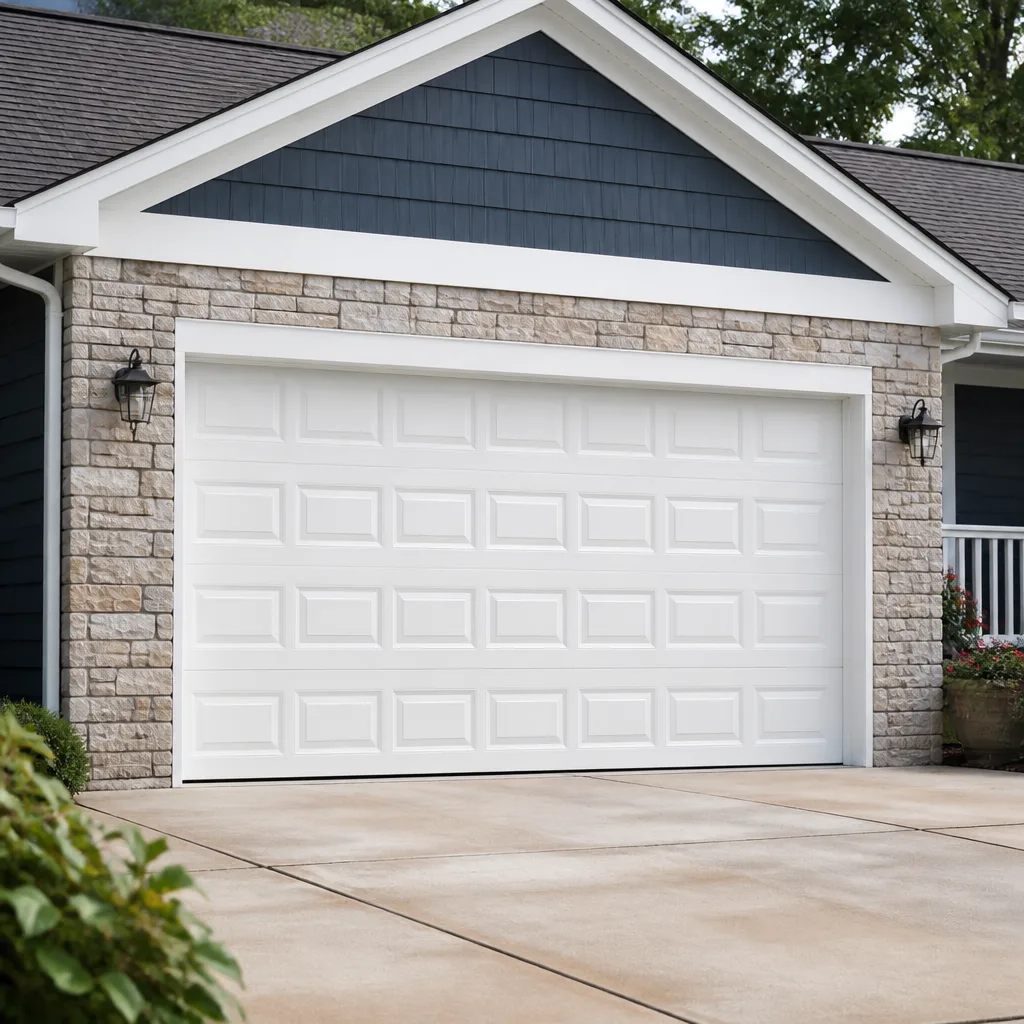
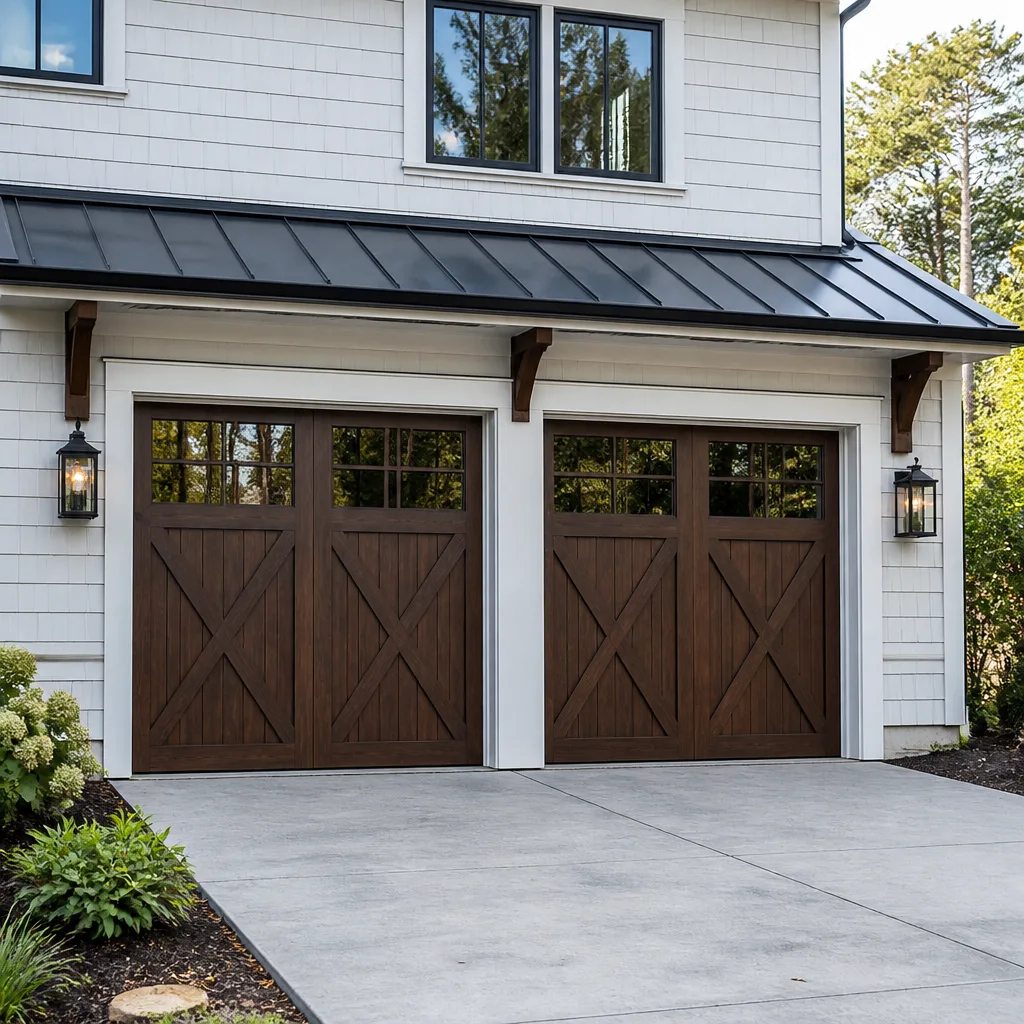
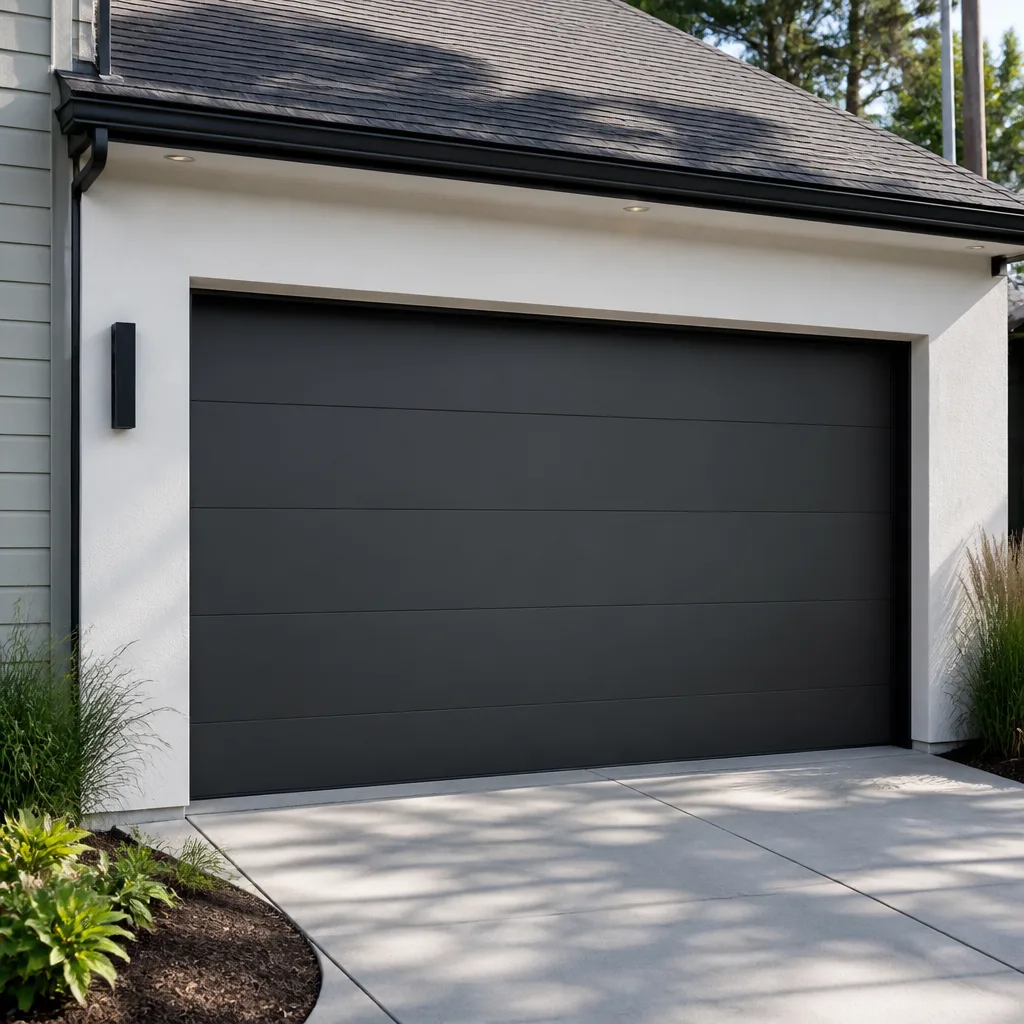
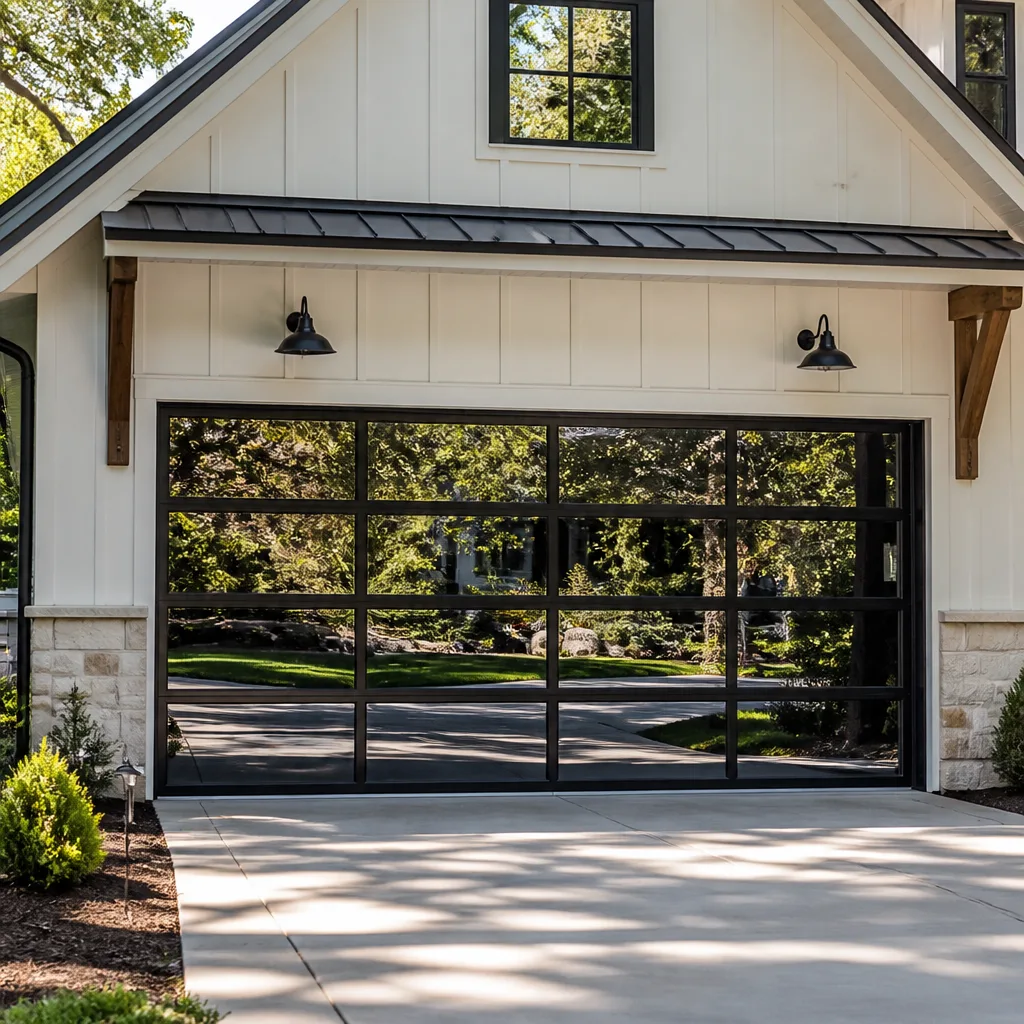
 Before
 After
After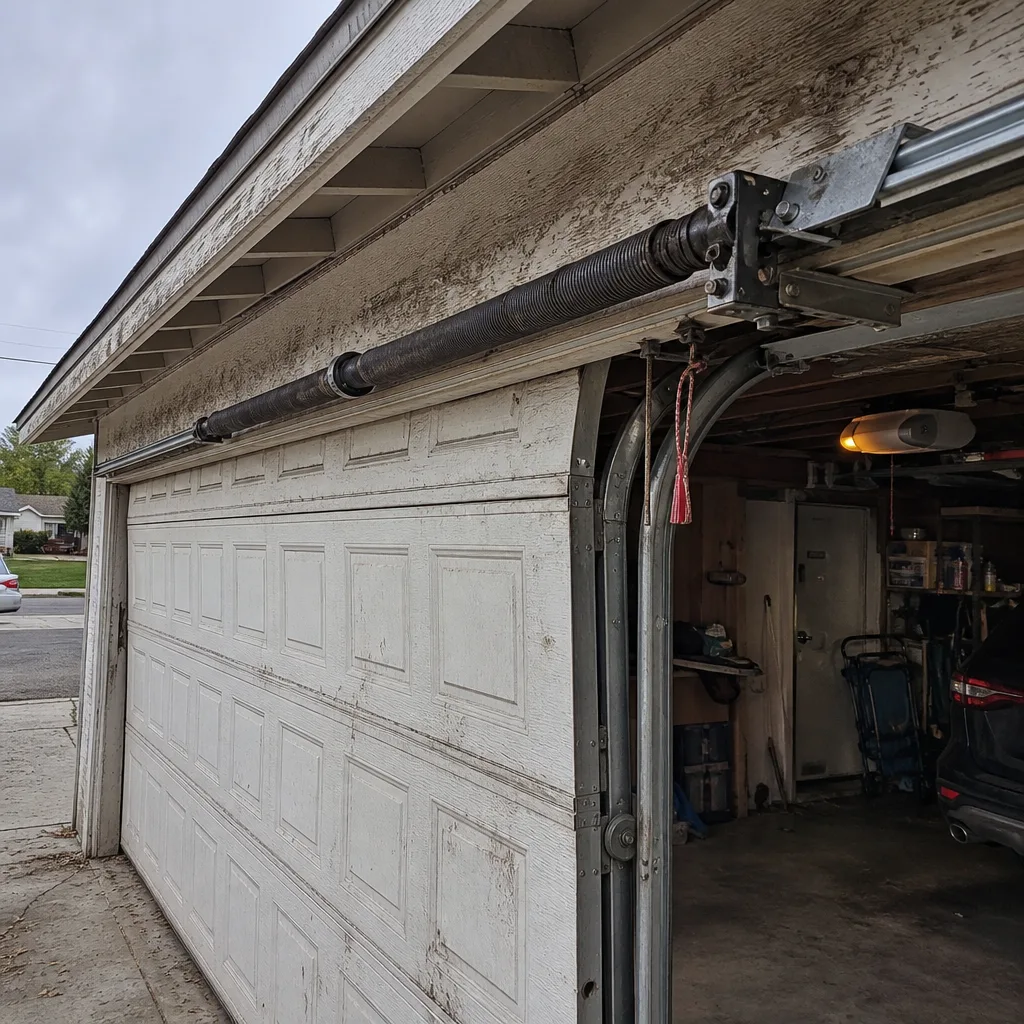 Before
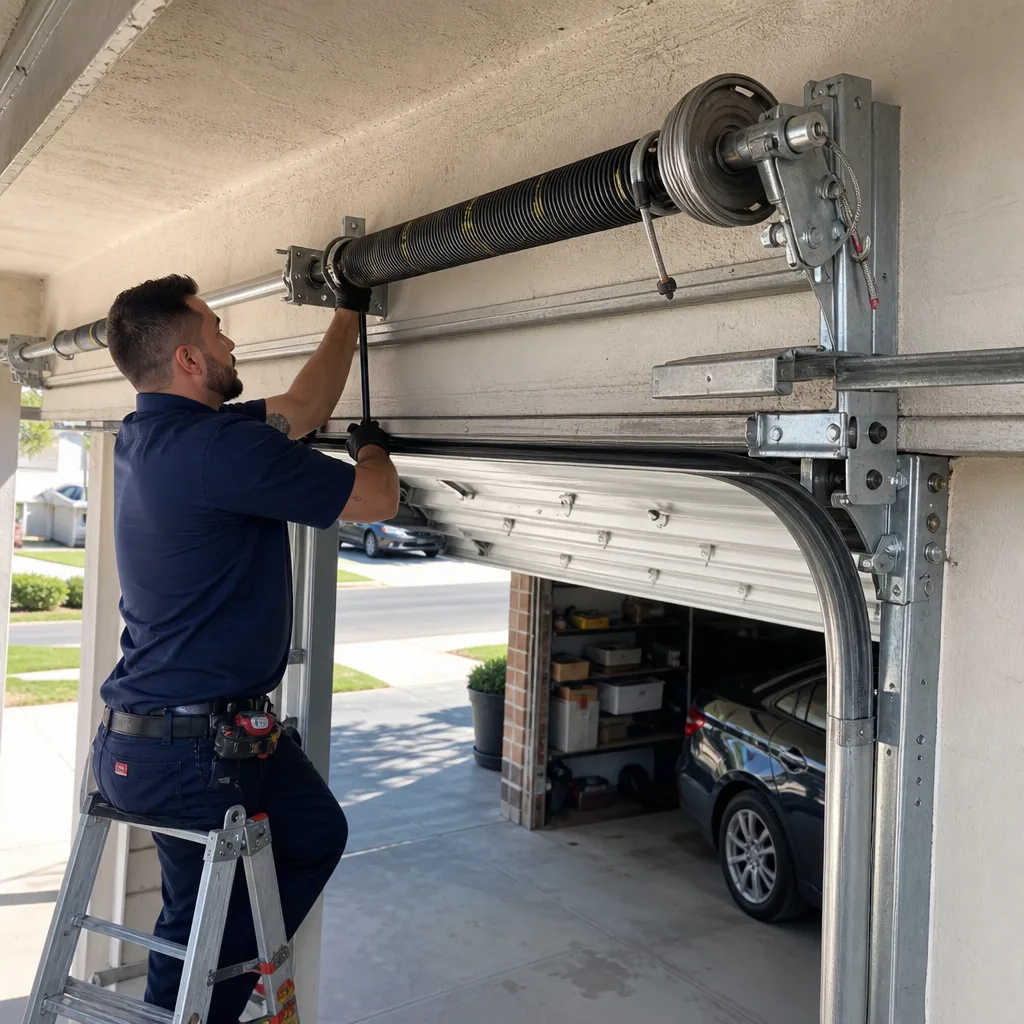 After
After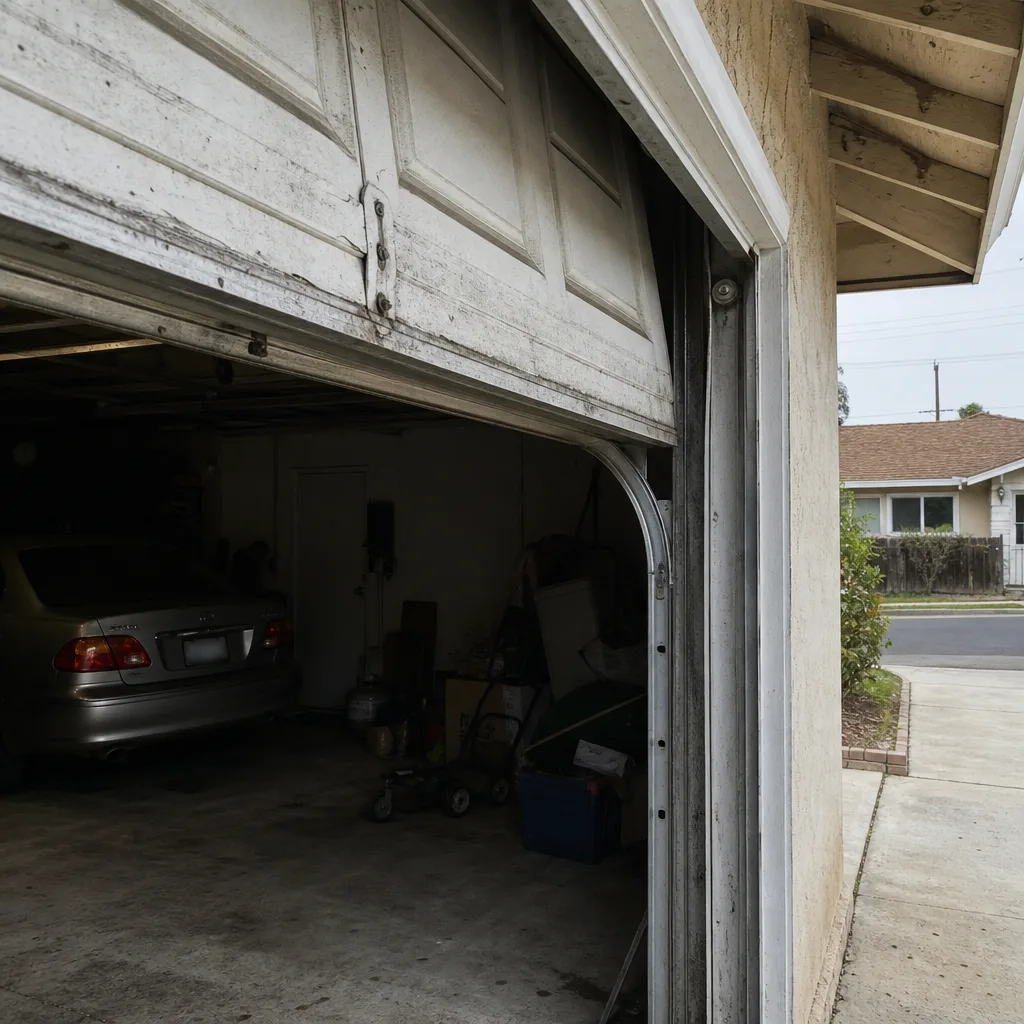 Before
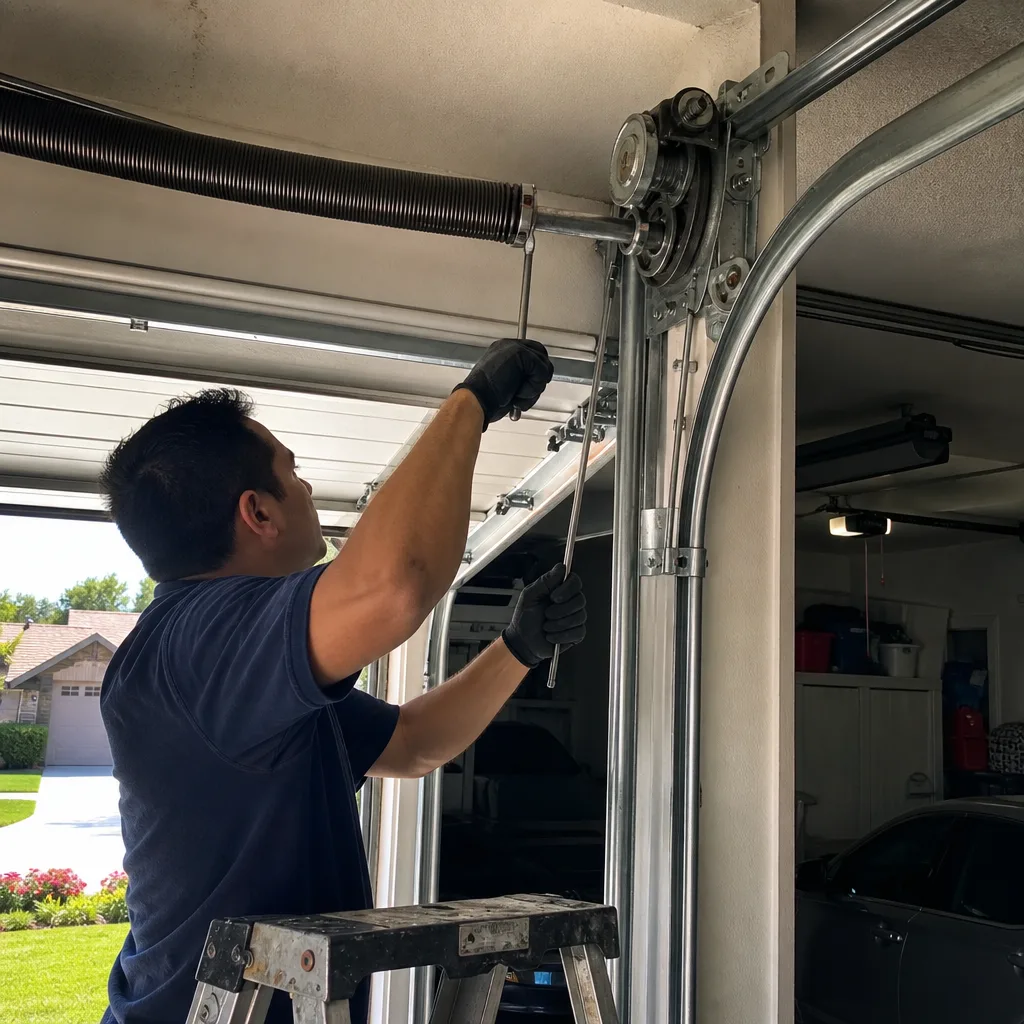 After
AfterThe Complete Guide to Garage Door in Anaheim
Your garage door moves more times per year than your front door does in a decade, yet most homeowners cannot name a single part inside it. In Anaheim, where the average home was built between 1955 and 1985, that mechanical neglect carries a real cost: a failed torsion spring at 6:15 a.m., a bent track on a 102-degree August afternoon, an opener that groans and quits during the first winter storm. This guide covers what your garage door actually does, how Anaheim’s climate and housing stock wear it down, and how to read the warning signs before you’re trapped inside or locked out. For DIY vs Professional Garage Door: The Anaheim Homeowner’s Decision Guide context on when to call a pro, see our companion post. You will learn to decode your door’s serial plate, understand which materials survive Orange County’s UV and salt air, and know when a repair is sensible and when replacement is the square deal.
Quick Answer
A well-maintained garage door in Anaheim lasts 20-30 years, but the springs typically fail every 7-12 years due to cycle count and coastal climate corrosion. The door itself is rarely the problem; the components that carry its weight - springs, cables, rollers, and tracks - wear out first. Understanding these parts, scheduling seasonal tune-ups, and choosing materials rated for high-UV, salt-adjacent conditions will prevent most emergency calls and extend the system’s life by years.
Table of Contents
- How Anaheim’s Older Housing Stock Affects Your Garage Door
- Steel, Aluminum, and Wood Doors in Orange County’s Climate
- What Actually Fails First (Hint: Not the Opener)
- How to Read Your Door’s Serial Plate
- Garage Door Parts: A Plain-Language Glossary with Real Lifespans
- A Practical Maintenance Schedule for Anaheim Homeowners
- Choosing a Replacement Door: What Matters and What Does Not
- What Garage Door Work Costs in Anaheim
How Anaheim’s Older Housing Stock Affects Your Garage Door
Anaheim’s residential fabric is defined by postwar tracts: the Eichler-influenced atriums of the 1950s, the sprawling ranch neighborhoods of the 1960s and 1970s, and the denser two-story developments of the 1980s. Each era built garages differently, and those structural decisions still dictate what fits, what breaks, and what costs more to fix.
Door sizes were not standardized until the late 1980s. Pre-1970 homes in neighborhoods like the Colony Historic District and surrounding tracts often have 8-foot-wide single-car openings with 7-foot heights. Modern vehicles, particularly SUVs and trucks, clear these openings by inches or not at all. A replacement door in these homes frequently requires header modification or track reconfiguration, not just a swap. We have measured garages in the Anaheim Hills area where the rough opening was 93 inches, not the standard 96, requiring a custom-cut door or structural adjustment.
Framing quality varies by decade. The 1970s and early 1980s saw pressure-treated lumber become common, but many Anaheim garages from the 1950s and 1960s used untreated Douglas fir that has suffered dry rot, termite damage, or simple compression failure where the track mounts bear against the jamb. Before a new door goes in, the jambs must be sound. We have arrived for what a homeowner assumed was a door replacement and found the side framing crumbling behind the vinyl trim. The square deal is fixing the structure first, then hanging the door.
Ceiling height and spring configuration. Low ceilings - 8 feet or less - limit spring options. Standard torsion springs need roughly 12 inches of headroom. Homes with less require low-headroom track kits or rear-mount torsion systems. In the flat-roof ranches near La Palma Park, we regularly encounter 7-foot-6-inch ceilings that complicate what should be straightforward spring replacements. The wrong spring geometry here accelerates cable wear and creates uneven door balance.
Slab settlement and track alignment. Anaheim sits on alluvial soils that shift with seasonal moisture changes. Over decades, garage slabs crack and settle differentially. A door that hung true in 1978 may now bind because the vertical track is no longer plumb relative to a settled slab. Shimming the track solves the symptom temporarily; addressing the slab or adjusting the track mounting properly solves it for years.
Key neighborhoods where we see these patterns: the Colony Historic District (pre-1960, non-standard openings), Anaheim Hills (1980s two-story homes with 18-foot double doors and higher spring cycle demands), West Anaheim (1960s-1970s tracts with original doors still in service), and the Platinum Triangle area (mixed-era infill with converted carports posing unique structural challenges).
Steel, Aluminum, and Wood Doors in Orange County’s Climate
Anaheim is not coastal, but it is close enough. The marine layer reaches inland on summer mornings. Salt aerosol travels on prevailing westerlies. UV exposure is severe: 280-plus days of sun annually, with summer intensities that fade automotive paint and degrade polymer seals. Your garage door material choice should account for this.
Steel doors dominate the market for good reason. Modern 24- or 25-gauge steel with a baked-on polyester finish resists denting and holds color for 15-20 years in Anaheim conditions. The critical detail is the coating quality. Economy steel doors use primed surfaces that chalk and rust at panel edges within 8-10 years. We specify doors with a minimum 25-year limited finish warranty - brands like Clopay and Amarr offer these in their mid-tier and premium lines. Insulated steel (polyurethane core, R-value 12-18) is worth the upgrade for attached garages, particularly in neighborhoods like Anaheim Hills where summer attic heat radiates through the ceiling.
Aluminum doors are lighter and immune to rust, which sounds ideal for coastal-adjacent climates. The reality is more mixed. Aluminum dents easily - a basketball, a bicycle handlebar, a misplaced ladder rung leaves a permanent crease. The metal also expands and contracts significantly with temperature swings, stressing hardware and seal interfaces. We install aluminum primarily for full-view glass applications (modernist homes in the Platinum Triangle area) or where weight limits the spring configuration. For standard residential use in Anaheim, steel is the more durable choice.
Wood doors carry aesthetic weight that metal cannot match. Craftsman bungalows in the Colony, Spanish Revival infill in the Hills, and mid-century modern restorations all benefit from genuine wood. The maintenance burden is real: re-staining or painting every 3-5 years, checking for dry rot at the bottom rail where sprinkler spray hits, ensuring the section joints do not absorb water and delaminate. Cedar and redwood hold up better than fir or pine. Factory-applied stains with UV inhibitors outperform site-applied paint. A well-maintained wood door in Anaheim lasts 20 years; a neglected one needs replacement in 12.
Fiberglass and composite doors occupy a niche we rarely recommend for this market. Fiberglass fades and becomes brittle under sustained UV. Composites (wood fiber and resin) perform better but carry premium pricing that rarely justifies the marginal improvement over quality steel with a wood-grain emboss.
Our recommendation for most Anaheim homeowners: insulated steel with a high-grade finish, properly ventilated to prevent heat buildup, with annual inspection of the bottom seal and weatherstripping.
What Actually Fails First (Hint: Not the Opener)
Homeowners call about a “broken garage door opener” more often than any other complaint. In our experience across Anaheim, the opener is the least likely component to have failed. The real culprits are the parts that carry the door’s full weight every cycle - the spring system, cables, rollers, and bearings.
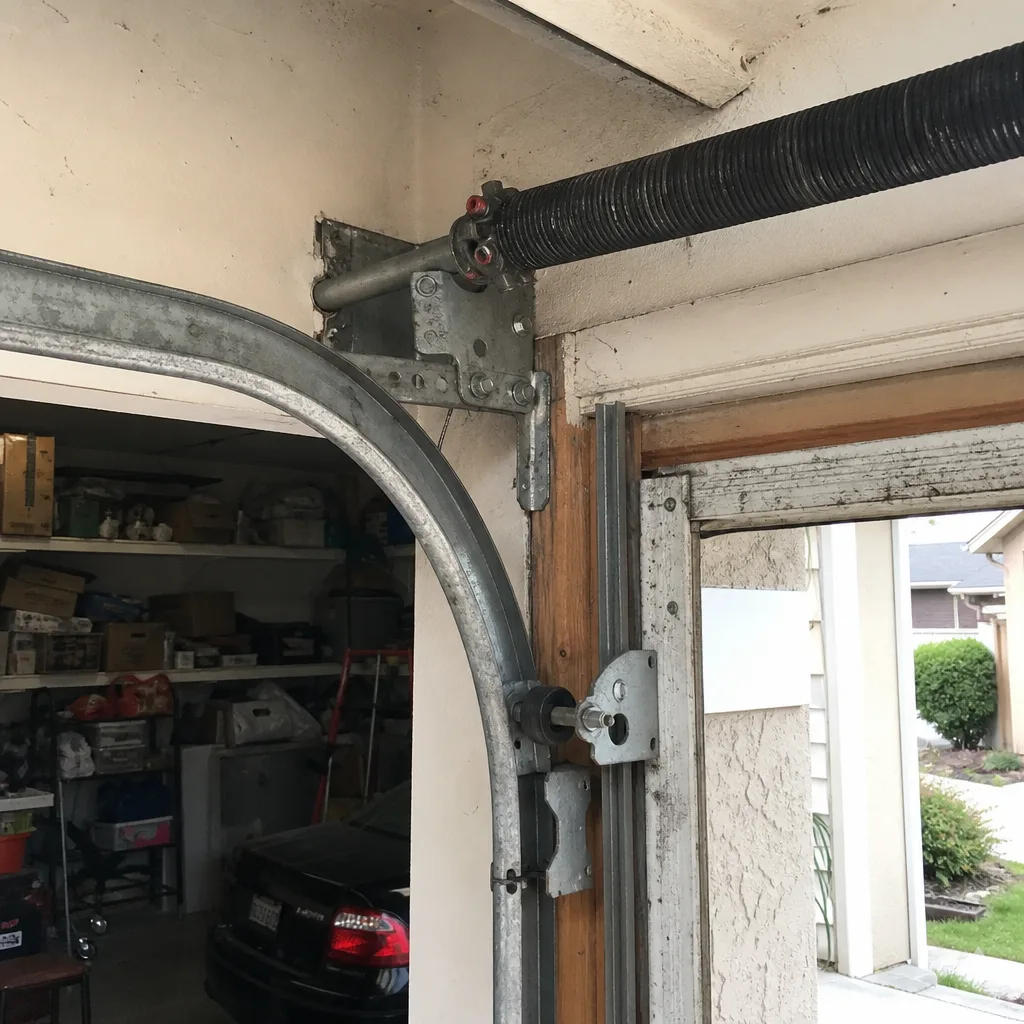
Torsion springs fail first and predictably. A standard garage door spring is rated for 10,000 cycles. At four cycles per day (morning out, evening in, repeated), that is roughly 7 years. Many Anaheim homes built in the 1970s and 1980s still have original springs that have exceeded 20,000 cycles through sheer inertia. The spring does not fail without warning - the door becomes heavier, the opener strains, the cables slacken slightly - but homeowners attribute these symptoms to the opener until the spring breaks with a sound like a gunshot.
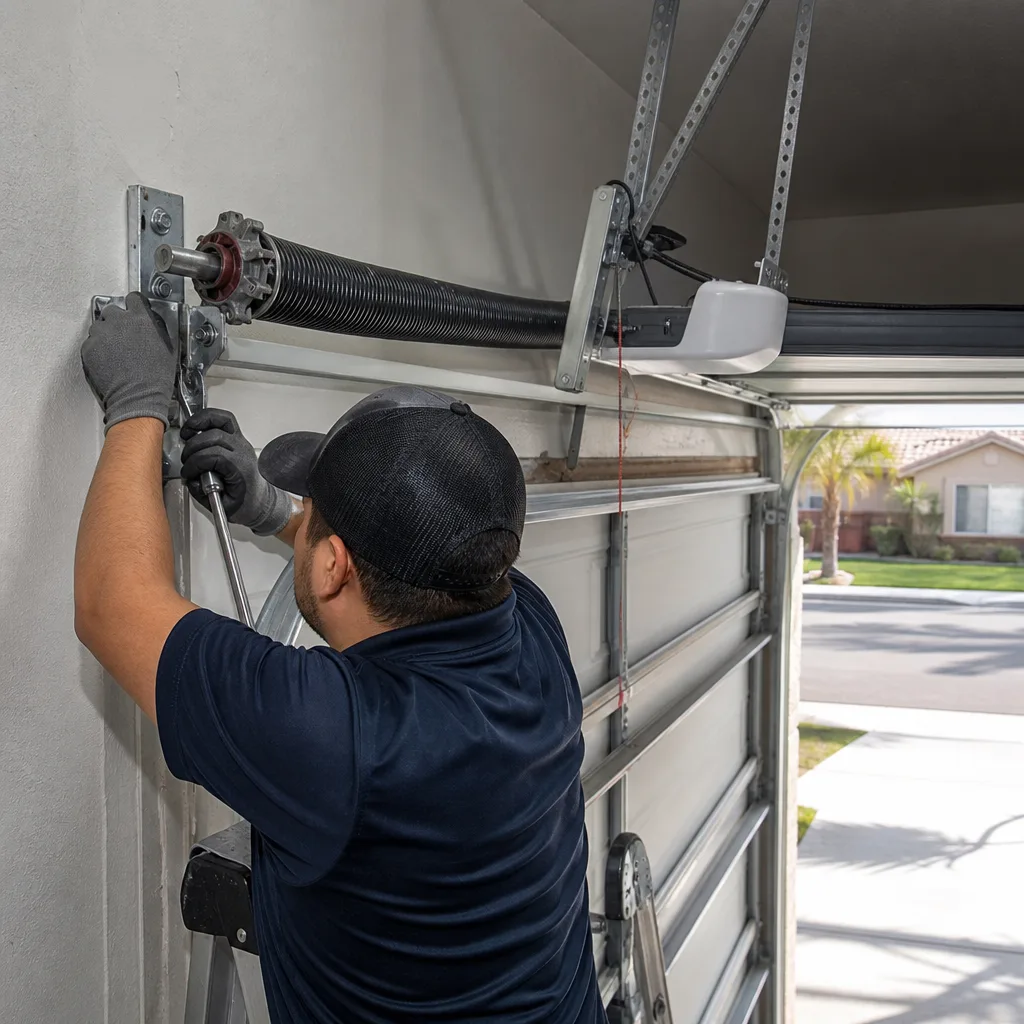
Torsion springs store lethal energy. A wound spring holds enough force to cause serious injury or death if handled improperly. We do not recommend DIY spring replacement. Our technicians carry wound springs for all common door weights and sizes, and most garage door repair in Anaheim calls involving springs are completed in a single visit.
Cables fray and snap second. The lift cables run from the bottom bracket to the drum at the spring shaft, winding and unwinding with each cycle. Anaheim’s climate accelerates corrosion at the cable terminations and along the strands where the cable wraps the drum. A frayed cable is a complete failure waiting to happen - when it snaps, the door drops unevenly, jams in the track, or crashes to the ground. We replace cables in pairs even when only one shows wear; matched cables maintain balanced lift.
Rollers degrade silently. Nylon rollers with sealed bearings should last 10-15 years. Steel rollers with unsealed bearings fail faster in dusty conditions. The roller itself is inexpensive; the damage from a seized roller is not. A roller that no longer turns drags against the track, wearing both and adding load to the opener. In our seasonal tune-ups, we check every roller for smooth rotation and lateral play.
Tracks bend and misalign. Impact damage - backing into the door, a basketball rebound, a ladder fall - bends horizontal tracks. Vertical tracks shift with frame settlement. Even a 1/4-inch misalignment creates binding that the opener overcomes until it cannot. The opener’s motor or gear assembly fails as a secondary effect, not a primary cause.
Hinges and bearings wear at pivot points. Each door section connects with hinges that carry the load as the door curves around the track radius. The center hinge bearings wear first; a sloppy hinge allows section misalignment that cascades into seal gaps and track binding.
The opener fails last, and usually because it was compensating for worn mechanical components. Upgrading to a garage door opener in Anaheim without addressing springs and hardware is spending money to accelerate the new unit’s failure.
How to Read Your Door’s Serial Plate
Every manufactured garage door carries a serial plate, typically affixed to the interior surface of the bottom section or on the end stile of one section. This plate is a diagnostic shortcut that tells us - and you - nearly everything needed for accurate repair or replacement quoting.
- Locate the plate. On most sectional doors, look on the inside face of the bottom panel, left or right of center. If painted over, gentle scraping with a plastic putty knife reveals the stamped or printed data. On older wood doors, the plate may be a metal tag nailed to the interior frame.
- Identify the manufacturer and model. The brand name (Clopay, Amarr, Wayne Dalton, Raynor, etc.) and model series determine panel availability, hardware compatibility, and warranty status. A “Clopay Gallery Collection” door from 2008 uses different hinges and track geometry than a “Clopay Classic” from the same year.
- Read the serial number. This unique identifier allows the manufacturer to pull the original build sheet: exact dimensions, gauge, insulation type, hardware package, and color formula. For discontinued models, the serial number confirms whether replacement sections are still produced or if full replacement is necessary.
- Note the date code. Most manufacturers encode the production date in the serial number or as a separate stamp. A door manufactured in 1997 is near or past its expected service life regardless of apparent condition. The date also reveals whether the spring system was sized to 10,000-cycle or 20,000-cycle specifications - a critical factor in predicting remaining life.
- Record the size designation. The plate states the nominal width and height (e.g., “16’0″ x 7’0″”). Verify this against your actual rough opening; settling, reframing, or non-standard original construction may create discrepancies. The size determines spring wire gauge and length, cable diameter, and track radius.
- Check the wind load rating. In California, this is less critical than in hurricane zones, but the rating indicates the structural robustness of the door system. Higher wind load doors use heavier gauge steel, more hinges, and reinforced struts - all relevant if you are considering an upgrade.
Photograph the plate before calling for service. With that image, we can confirm parts availability, quote accurately, and arrive with the correct components. It saves a trip, and it ensures the price we state is the price you pay.
Garage Door Parts: A Plain-Language Glossary with Real Lifespans
Understanding the vocabulary helps you describe problems accurately and evaluate quotes fairly. These are the components we replace most often in Anaheim, with realistic lifespans under local conditions.
- Torsion springs: The coiled steel springs above the door that store lifting energy. Rated in cycles (10,000 or 20,000 standard). In Anaheim’s climate, expect 7-12 years for 10,000-cycle springs, 12-18 years for 20,000-cycle upgrades. Salt air and high humidity at the western edge of the city accelerate surface corrosion that shortens life.
- Extension springs: An older alternative running parallel to the horizontal tracks, still found in pre-1980 Anaheim homes. More dangerous when they fail (no containment cable in original installations). We generally convert extension spring systems to torsion during replacement for safety and smoother operation.
- Lift cables: Braided steel cables that transfer spring force to the door. Lifespan 8-15 years depending on drum geometry and environmental corrosion. Fraying at the bottom loop or drum wrap area is the failure indicator.
- Rollers: Wheels that ride inside the track. Nylon with sealed bearings: 10-15 years. Steel: 5-8 years in dusty conditions. A grinding or squealing door usually indicates roller failure.
- Hinges: Connect door sections and guide the door through the track curve. Center hinges with bearings wear first; 10-15 years typical. Numbered #1 through #4 or higher depending on door height; must match for proper articulation.
- Tracks (vertical and horizontal): Galvanized steel guide rails. Indefinite lifespan if undamaged; bent or corroded tracks require replacement. Horizontal tracks in humid garages near pools or spas (common in Anaheim Hills) corrode faster.
- Bottom seal / astragal: The rubber or vinyl strip sealing the door bottom. UV degradation in Anaheim’s intense sun causes cracking and hardening within 3-5 years. A failed seal admits dust, pests, and water; it also indicates to experienced thieves that the door is neglected.
- Weatherstripping (jambs and header): Vinyl or rubber seals at the door perimeter. 5-8 year lifespan; UV and ozone exposure harden the material until it no longer compresses.
- Torsion shaft / tube: The steel rod that carries the springs and cable drums. Rarely fails unless corroded or improperly supported. We inspect bearing wear at the end plates during every service.
- Cable drums: Grooved aluminum or cast iron wheels at the shaft ends that wind cable at a calculated rate. Groove wear causes cable slippage and uneven lifting. Indefinite lifespan in clean conditions; 15-20 years in typical residential use.
- Opener motor and drive: Chain, belt, or screw drive systems that automate door movement. 10-15 years for quality units (LiftMaster, Chamberlain, Genie) maintained properly. The motor rarely fails; the drive gear, circuit board, or safety sensors do.
- Safety sensors (photo eyes): Infrared beam devices near the floor. Misalignment, dirt, or direct sun exposure (common on west-facing garages in Anaheim) cause false obstruction signals. Simple cleaning and realignment resolve most issues.
A Practical Maintenance Schedule for Anaheim Homeowners
Preventive maintenance is the difference between a $89 tune-up and a $400 emergency call. This schedule is calibrated for Anaheim’s climate and the typical 3,000-cycle annual use of a two-car household.
Monthly (takes 5 minutes):
- Visually inspect the cables for fraying or rust, particularly at the bottom brackets where they terminate.
- Listen during operation: grinding, squealing, or popping sounds indicate roller, hinge, or spring issues.
- Test the safety reversal: place a 2×4 flat on the floor in the door path and close the door. It must reverse on contact. If it does not, the opener force setting requires adjustment.
- Check the photo eye alignment: the LED indicators on both sensors should glow steady, not flicker.
Quarterly (takes 15 minutes):
- Lubricate the torsion spring with a silicone-based spray. Do not use WD-40 (it attracts dust) or grease (it hardens). Apply a light film across the coils.
- Lubricate hinges, rollers (if steel; nylon rollers with sealed bearings do not require lubrication), and bearing plates.
- Inspect the bottom seal for cracking or compression set. Close the door and check for daylight gaps.
- Tighten track mounting bolts and roller bracket fasteners. Vibration loosens these over time.
Annually (professional service):
Our Mainspring Garage Door Co. home tune-up includes spring tension verification, cable and drum inspection, roller rotation check, track alignment measurement, opener force and limit testing, safety system verification, and hardware tightening. The $89 seasonal tune-up identifies wear before failure. In Anaheim’s climate, we particularly check for UV seal degradation, corrosion at cable terminations in homes near the Santa Ana River corridor, and spring fatigue in high-cycle households with teenage drivers or home-based businesses.
Every 3-5 years:
Replace weatherstripping and bottom seal as preventive maintenance, not after failure. Consider upgrading to 20,000-cycle springs at the first replacement to double the interval. Evaluate opener features: modern units offer battery backup (useful during Anaheim’s occasional PSPS events), smartphone connectivity, and integrated LED lighting.
Choosing a Replacement Door: What Matters and What Does Not
When repair is no longer the square deal - multiple failed sections, obsolete hardware, or a door past 25 years - replacement becomes the sensible path. Our Garage Door Cost Breakdown: The Anaheim Homeowner’s Reference for 2026 helps you budget accurately for that transition. Here is how to evaluate options without being distracted by features that add cost, not value.
What matters:
- Steel gauge and finish warranty: 24-gauge or thicker steel resists denting. A 25-year finish warranty indicates a coating system that will not chalk or fade in Anaheim’s UV. We specify Clopay and Amarr doors in their premium lines for this reason.
- Insulation value: Attached garages benefit from R-12 to R-18 polyurethane cores. Detached garages in mild Anaheim climates can use uninsulated or polystyrene-core doors. Do not pay for insulation you do not need.
- Spring cycle rating: Demand 20,000-cycle springs as standard, not an upgrade. The marginal cost is recovered in longevity.
- Hardware quality: 14-gauge hinges, ball-bearing rollers, and heavy-duty track brackets. These are invisible but determine operational noise and maintenance frequency.
- Local installation expertise: A door is only as good as its installation. Plumb tracks, level header, proper spring tension, and calibrated opener limits require trained technicians. Garage door installation in Anaheim by Mainspring includes the 90-Day Done Right Promise and post-installation adjustment if settling occurs.
What does not matter:
- Extreme wind load ratings: Unless you live in a specific high-wind zone, paying for a 150-mph-rated door is unnecessary expense.
- Window packages for curb appeal alone: Windows weaken the door structurally and reduce insulation. If natural light in the garage matters, specify insulated glass units, not acrylic inserts.
- Ultra-premium opener features: Camera integration, voice control, and elaborate app ecosystems sound appealing but add failure points. A reliable chain or belt drive with battery backup and solid safety sensors serves most households better.
- “Lifetime” spring warranties: These are typically prorated and require proof of annual professional maintenance. The realistic metric is cycle count, not warranty language.
For Anaheim’s architectural variety, we recommend matching the door style to the home era: raised panel for traditional ranch homes, flush or grooved panel for mid-century modern, carriage house overlay for Craftsman or Spanish Revival. Color should complement trim, not match it exactly - slight contrast reads better from the street.
What Garage Door Work Costs in Anaheim
Pricing transparency is central to how we operate. The table below reflects our current rates for common services in the Anaheim market. Every price is stated and agreed before work begins. There are no surprises on the bill.
| Service | Typical Range | Notes |
|---|---|---|
| Spring replacement (torsion, standard 10K cycle) | $180-$280 | Includes both springs, cables, and hardware inspection |
| Spring replacement (high-cycle 20K upgrade) | $260-$340 | Recommended for households with 4+ daily cycles |
| Cable replacement (pair) | $120-$180 | Always replaced in pairs for balanced lift |
| Roller replacement (full set, 10-12 rollers) | $140-$220 | Nylon with sealed bearings specified |
| Opener repair (gear, circuit board, sensor) | $120-$280 | Excludes full opener replacement |
| Opener replacement (belt drive, 3/4 HP) | $450-$650 | Includes removal, installation, and safety testing |
| Section replacement (steel, single section) | $280-$450 | Dependent on model availability; discontinued models may require full door |
| Full door replacement (steel, insulated, 16×7) | $1,400-$2,400 | Includes removal, installation, springs, hardware, and opener reconnection |
| Seasonal tune-up | $89 | Comprehensive inspection and adjustment; $50 credit toward same-day repairs |
| Emergency / after-hours service call | No additional fee | Same rates apply; live person answers, technician dispatched |
Current standing offers: $50 off any repair over $250, free second opinion on any written estimate, $89 seasonal tune-up, and a permanent 5% discount for seniors and veterans. These are not limited-time promotions; they are standing policies.
Factors that increase cost: non-standard door sizes requiring custom cutting, structural framing repair, low-headroom track kits, remote control programming for multi-button systems, and disposal of doors with hazardous materials (lead paint on pre-1978 wood doors). We identify these conditions during the free estimate and state the full price before any work starts.
Common Mistakes to Avoid
- Ignoring the spring warning signs. A door that feels heavier, opens unevenly, or makes new popping sounds is telling you the spring is fatigued. Waiting for the break strands you and often damages the opener. In the Anaheim Hills, where steep driveways increase the effective door weight, this procrastination is particularly costly.
- DIY spring replacement. Torsion springs store enough energy to cause serious injury or death. YouTube videos do not convey the torque involved or the proper winding bar technique. We have been called to homes where the homeowner’s attempt made the repair more expensive and created structural damage.
- Replacing the opener without checking the door mechanics. A new LiftMaster or Chamberlain opener installed on a door with worn springs and binding rollers will fail prematurely. The opener is the symptom, not the disease.
- Neglecting the bottom seal. A cracked seal admits rodents, insects, and water. In Anaheim’s dry climate, rodents seek garage shelter during winter; a compromised seal is an invitation. The seal also signals neglect to potential intruders.
- Choosing the lowest bid without verifying what’s included. A $99 spring special often uses single springs (not pairs), excludes cable inspection, carries no warranty, and comes from a truck without proper inventory. The second call costs more than doing it right the first time.
- Failing to verify contractor credentials. California requires garage door contractors to hold a C-61/D-28 license. Verify at cslb.ca.gov. We are state-licensed, insured, and bonded; our technicians are background-checked and uniformed.
- Assuming all doors are standard size. Anaheim’s older housing stock includes 8-foot singles, 9-foot doubles, and 7-foot heights that require custom orders. Measuring incorrectly delays installation by weeks.
When to Call a Professional
Call when the door makes sounds it never made before, when it reverses without obstruction, when one side lifts faster than the other, or when you notice frayed cables or rust flakes below the spring assembly. Call before the emergency, not after. A door that will not open traps your vehicles inside. A door that will not close leaves your home exposed.
We answer live, 24/7, including nights, weekends, and holidays. Most repairs are completed in a single visit because our trucks carry the full inventory of springs, cables, rollers, and openers. Mainspring Garage Door Co. offers free estimates in Anaheim - call (714) 782-0297. The price is stated before any work begins, and every job carries our 90-Day Done Right Promise in writing.
Frequently Asked Questions
A quality steel door lasts 20-30 years with proper maintenance, but the springs typically need replacement every 7-12 years due to cycle count and, in coastal-adjacent areas, surface corrosion. Wood doors require more frequent refinishing - every 3-5 years - to prevent UV and moisture damage. The key to longevity is annual professional inspection and addressing wear before failure.
The opener is compensating for a mechanical problem - most often a fatigued torsion spring that no longer counterbalances the door’s weight. The opener’s motor and gear assembly are not designed to lift the full door weight; they are designed to guide a balanced door through its travel. Continuing to operate the opener in this condition burns out the motor or strips the drive gear. Call for spring inspection before the opener fails.
Insulated steel with a baked-on polyester or fluoropolymer finish outperforms aluminum and wood in Anaheim’s high-UV environment. The critical factor is the finish warranty - 25 years or more indicates a coating system resistant to chalking, fading, and edge corrosion. Wood requires active maintenance (staining or painting every 3-5 years) to achieve comparable lifespan. Aluminum resists rust but dents easily and expands significantly with temperature swings.
Installation requires measurement, door ordering, and scheduling - typically 1-2 weeks for standard sizes, 3-4 weeks for custom. Same-day service applies to repairs only, where our trucks carry the necessary inventory. For installation, we provide a free measure and written quote with no obligation. Call (714) 782-0297 to schedule.
No. The price we state is the price you pay. Our technician inspects, diagnoses, and quotes before any work begins. If additional issues are discovered - concealed frame rot, non-standard hardware, structural modifications needed - we explain the finding and quote the additional work separately. You approve every dollar before it is spent. There are no surprises on the bill.
Yes. Our trucks are stocked with torsion springs for all common door weights and heights, lift cables, rollers, hinges, track hardware, and opener components for major brands including LiftMaster, Chamberlain, and Genie. Most repairs are completed in a single visit without waiting for parts. For discontinued or proprietary hardware, we identify the need during the initial call and source before dispatch when possible.
The Bottom Line
Your garage door is the largest moving part of your home and the most mechanically complex entry point. In Anaheim’s older housing stock, it is also a system shaped by decades of specific construction practices, climate exposure, and use patterns that generic advice fails to address. Understanding your door’s components, reading its serial plate, maintaining it on a realistic schedule, and knowing when repair becomes the wrong investment - these are the habits that prevent emergency calls and extend service life. Browse our more guides & resources for deeper maintenance and material guidance.
The square deal is simple: fix what needs fixing, replace what does not, state the price before the work starts, and stand behind the result. We have operated this way since 1984. The 90-Day Done Right Promise is not a marketing phrase; it is written on every invoice because we use it. If your garage door is showing age, making new sounds, or simply has not been inspected in years, call for a free estimate. Prevention costs less than emergency response, and a door that runs quiet and true is one less thing to think about.
Written by Carl Dutton, Owner at Mainspring Garage Door Co., serving Anaheim since 2016.