
Last updated September 10, 2026
Full 25-point door and opener safety check with every visit - springs, cables, rollers, tracks, and your LiftMaster or Chamberlain opener included
You get a price before we start. It does not change when the truck arrives.
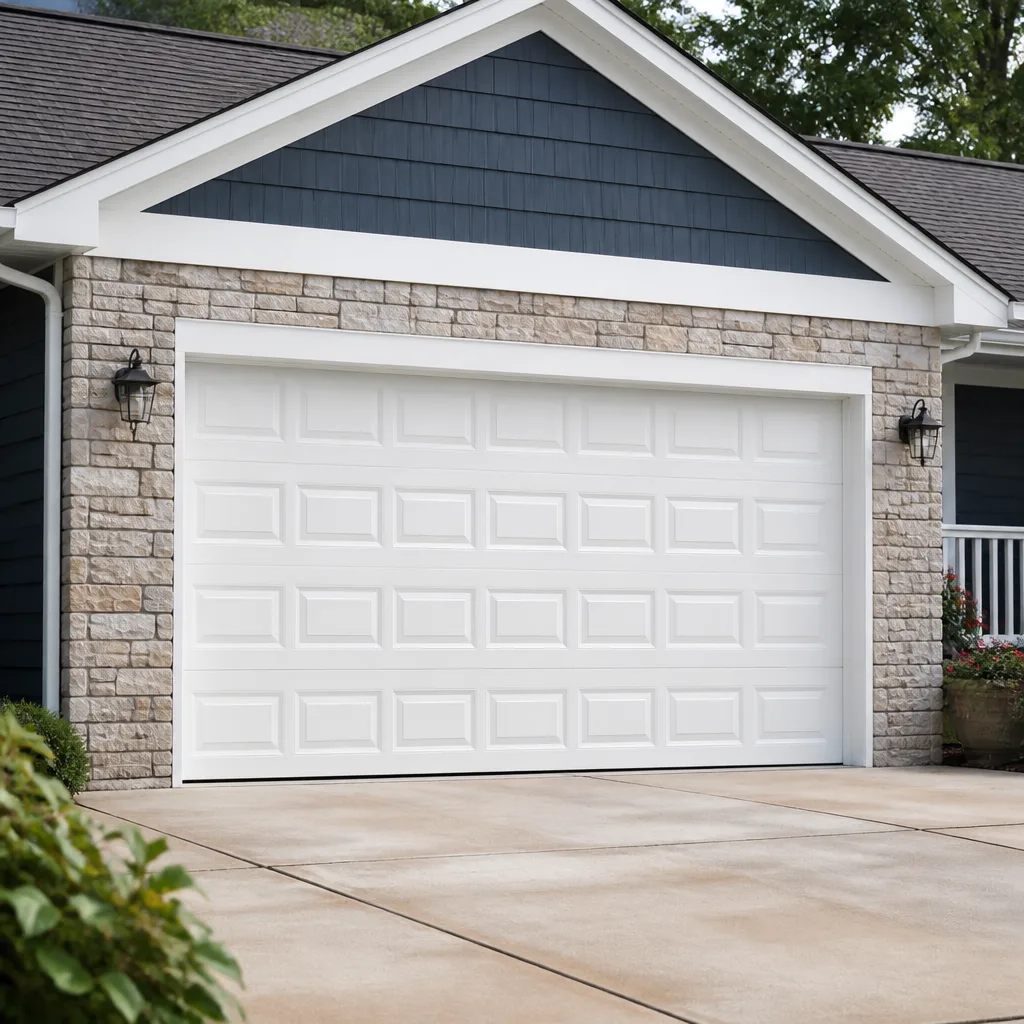
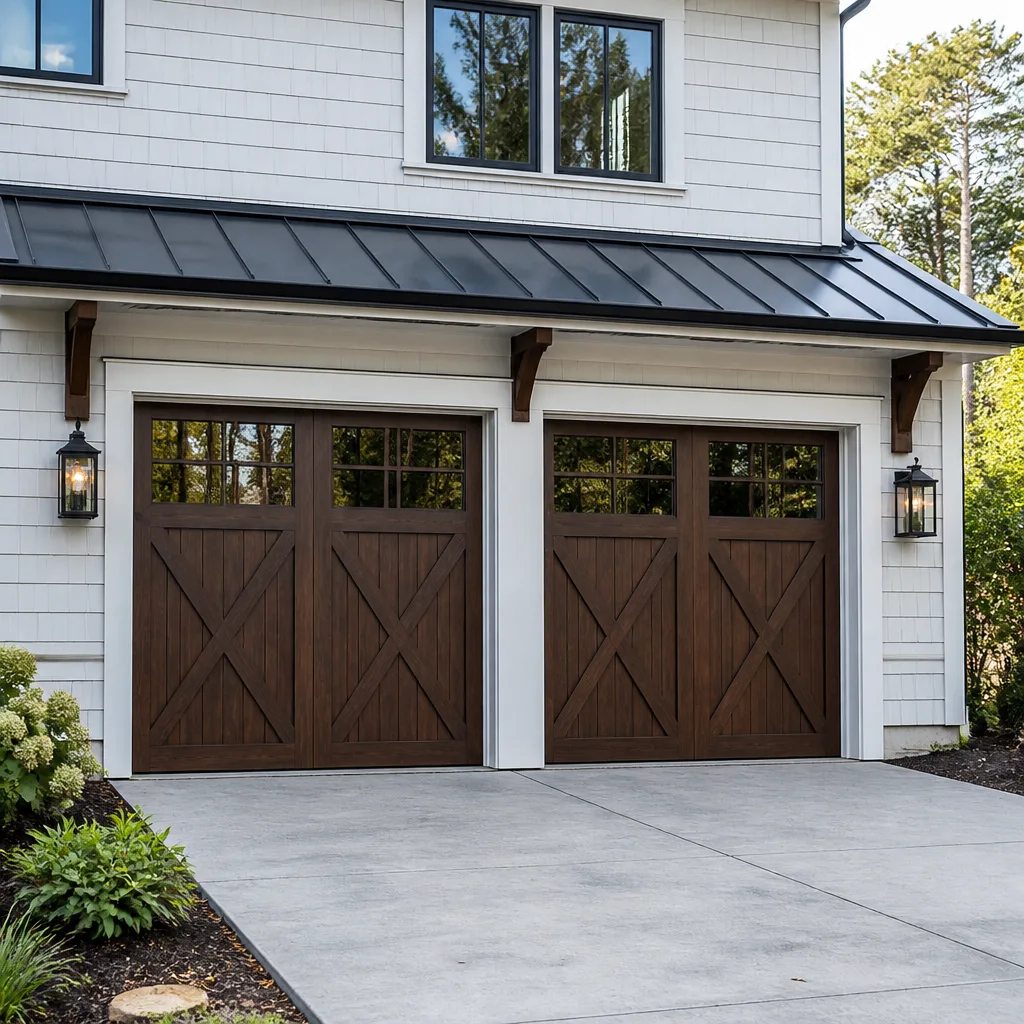
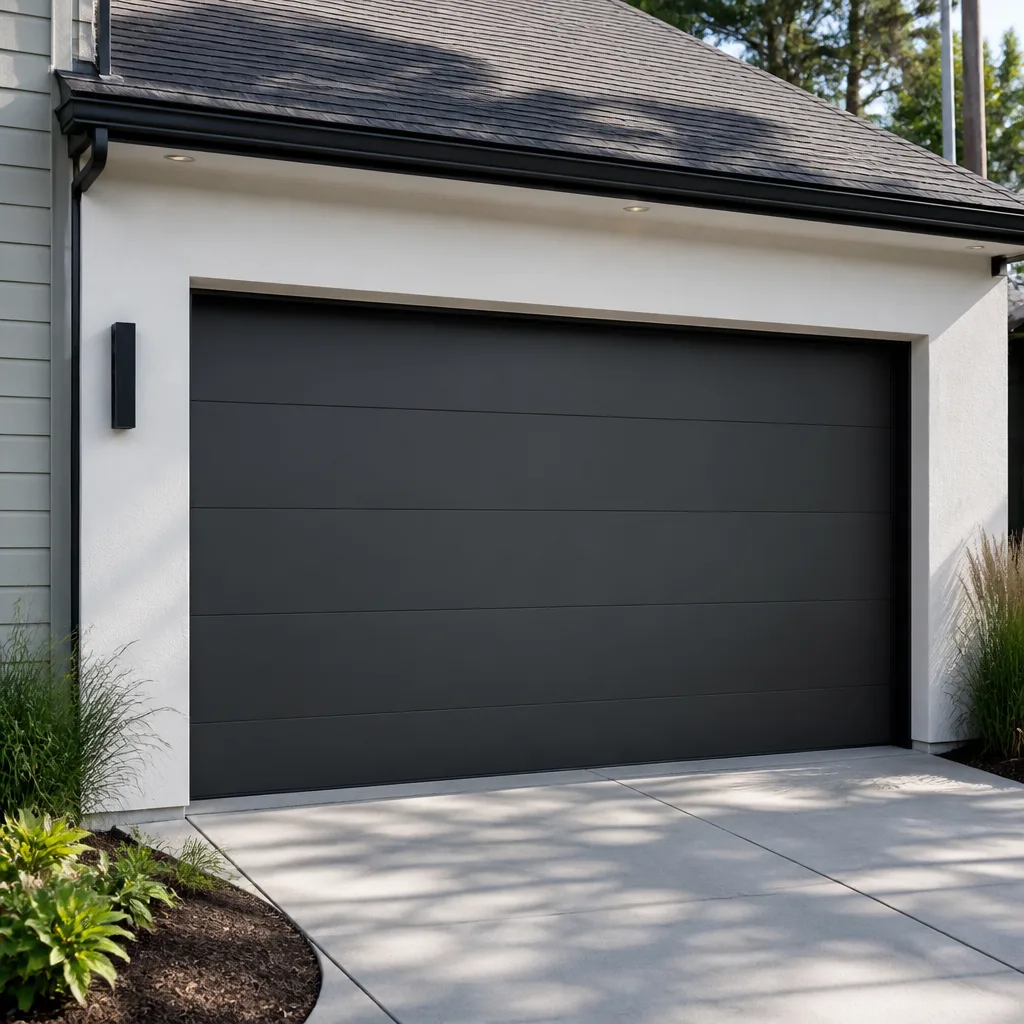
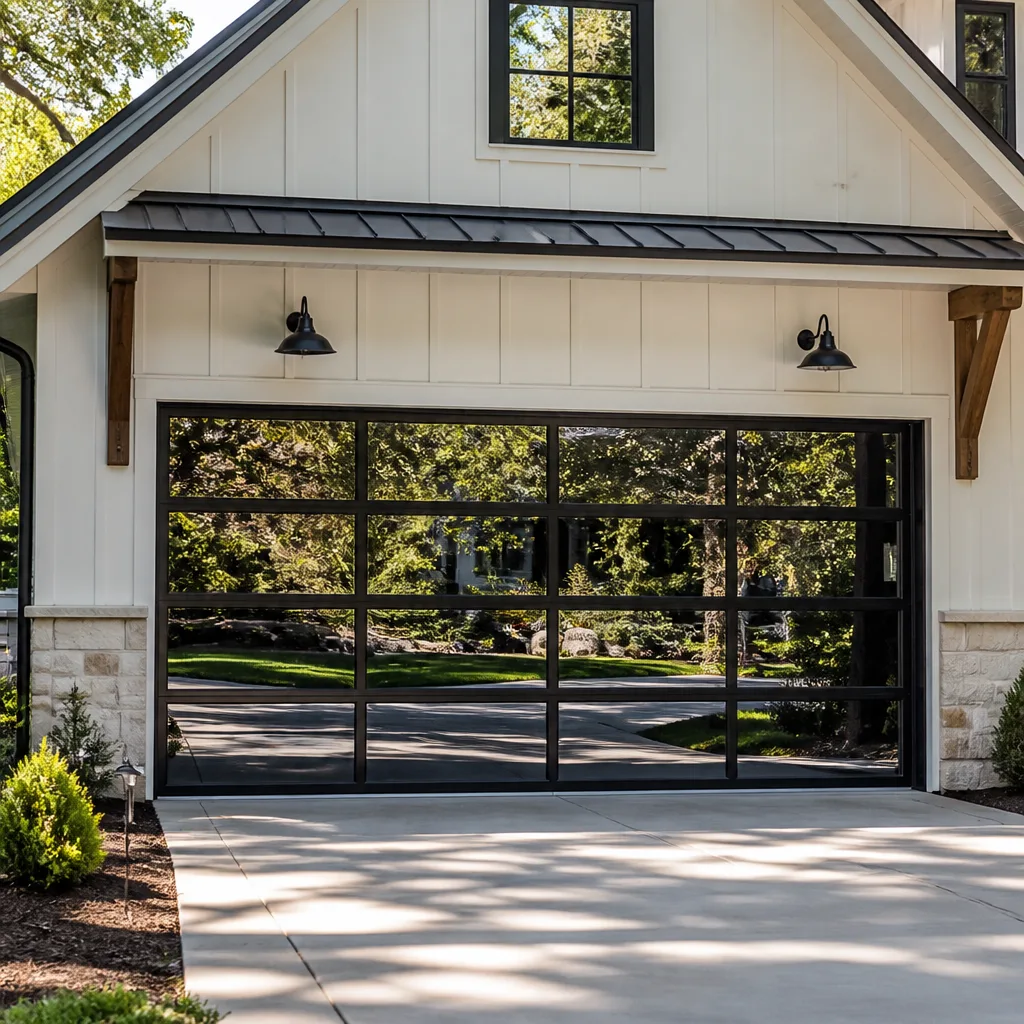
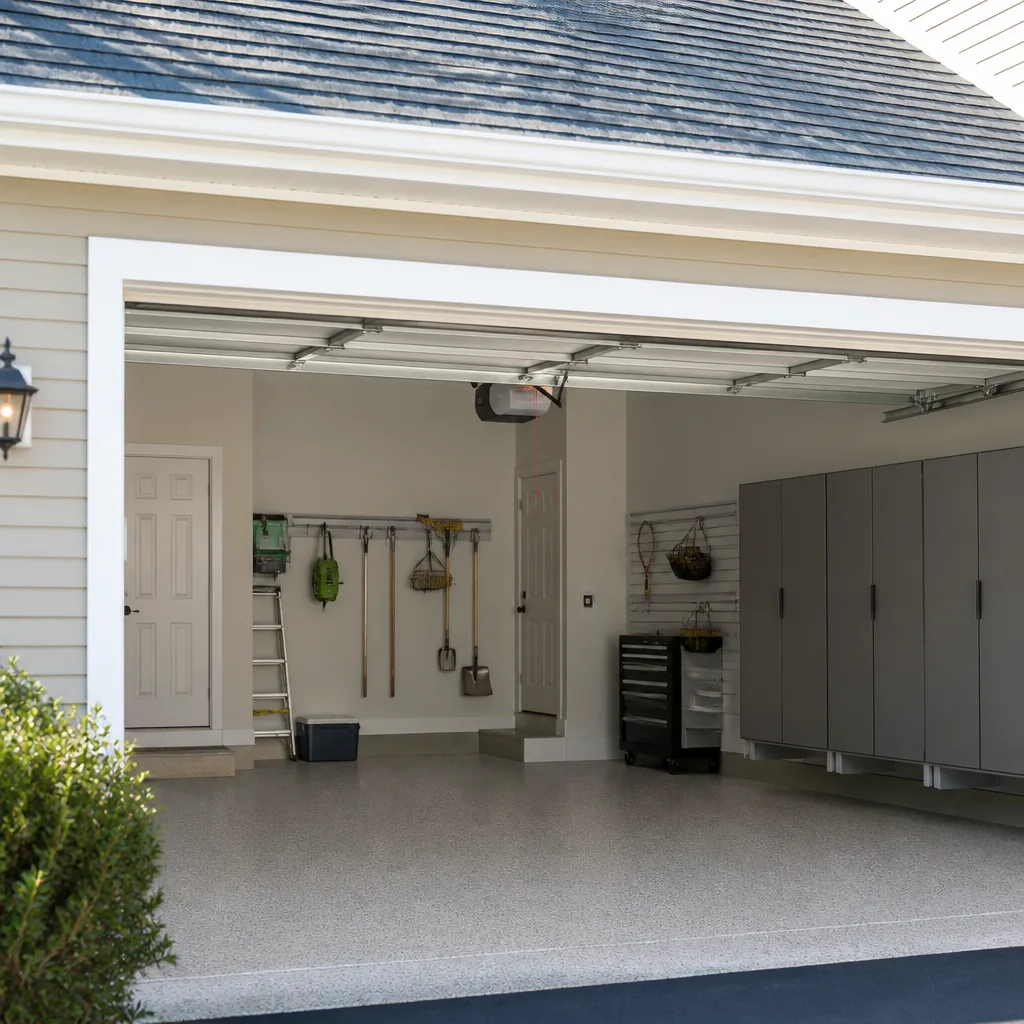
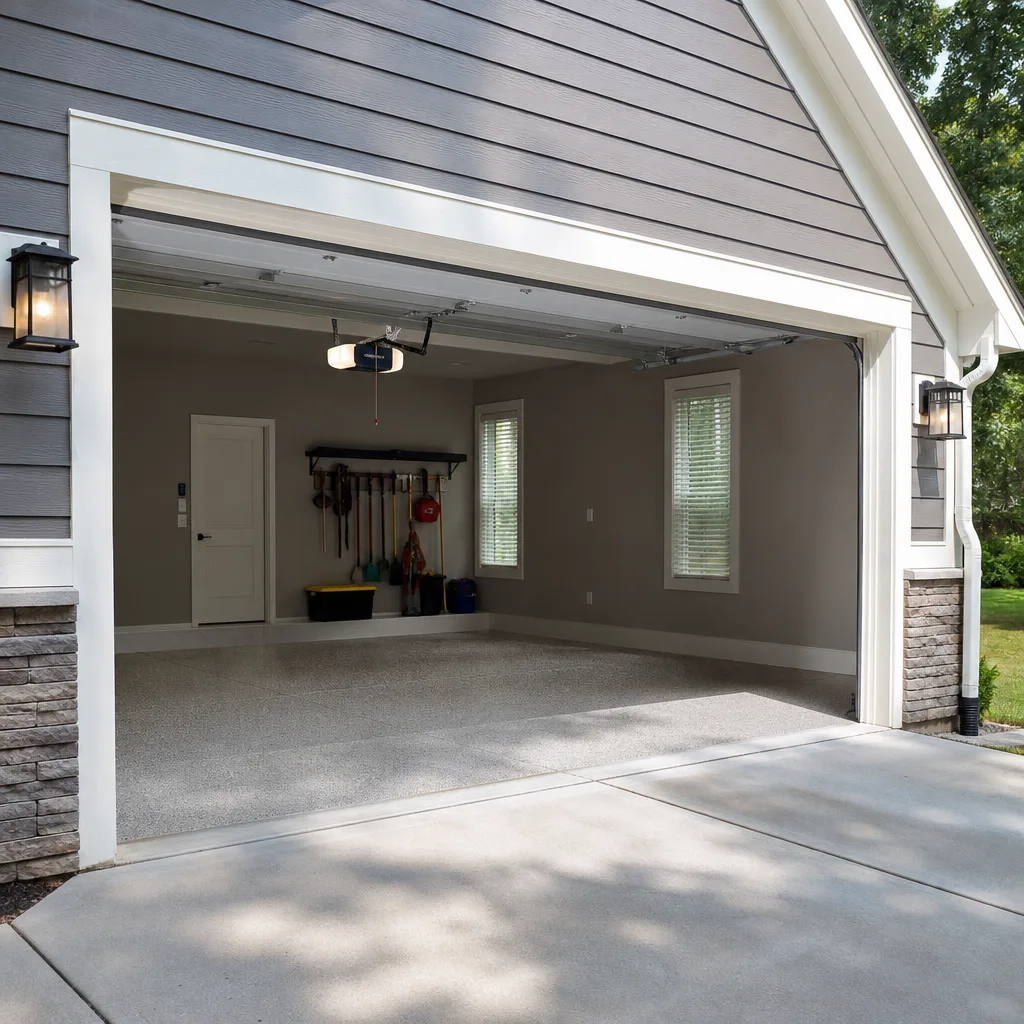
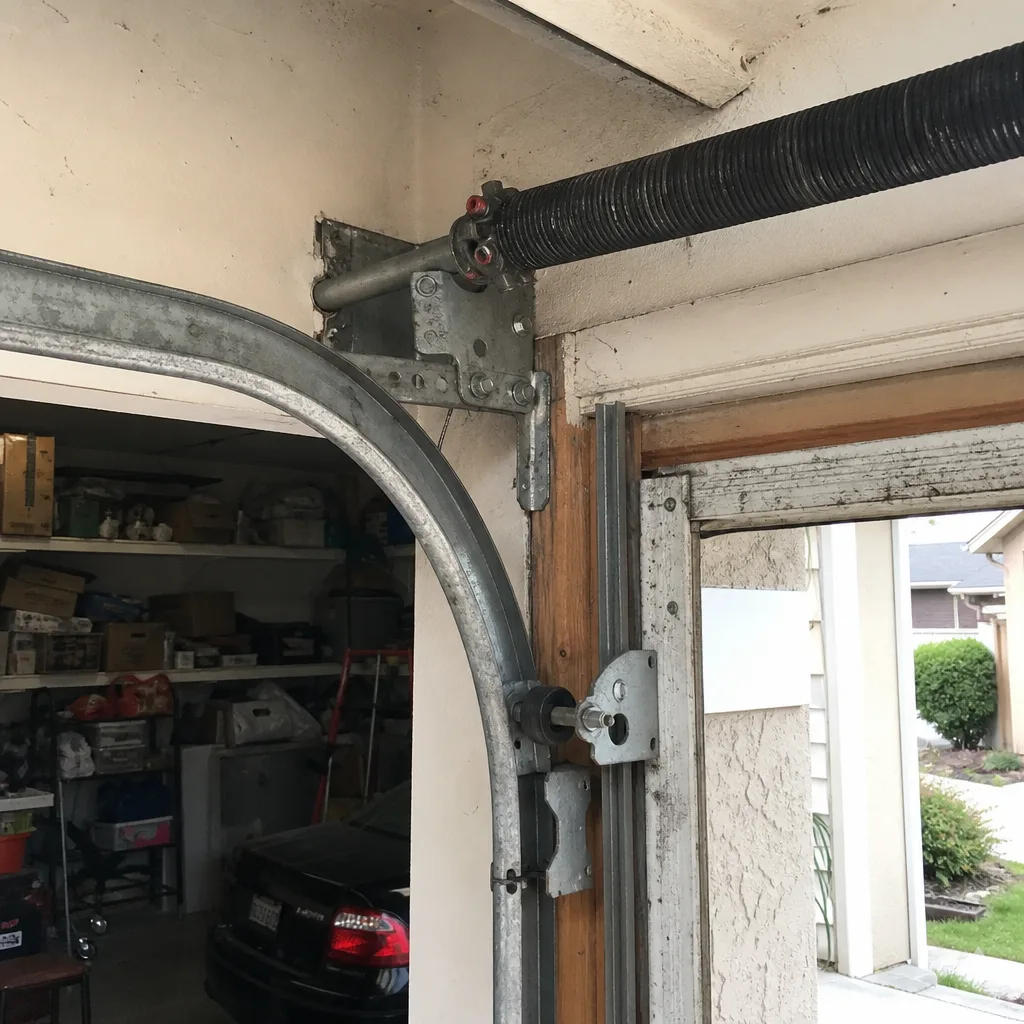 Before
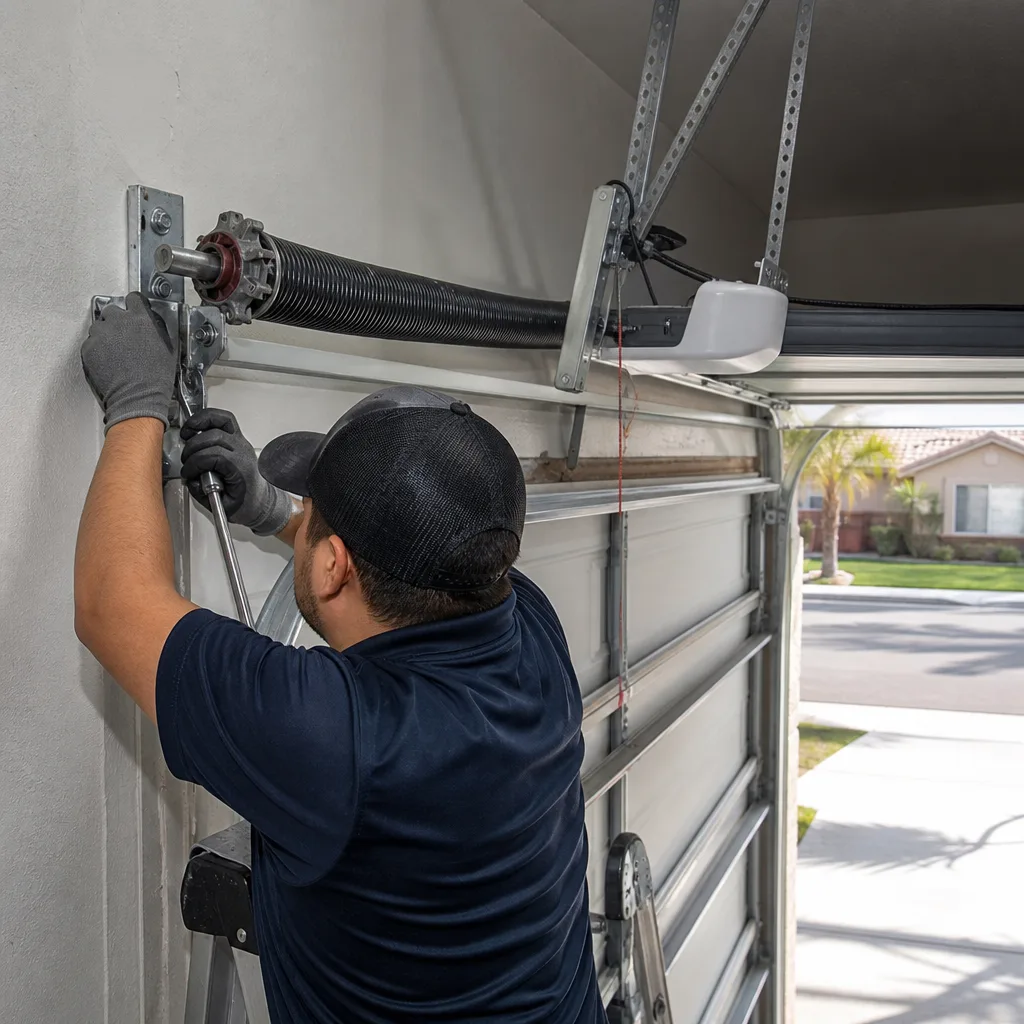 After
After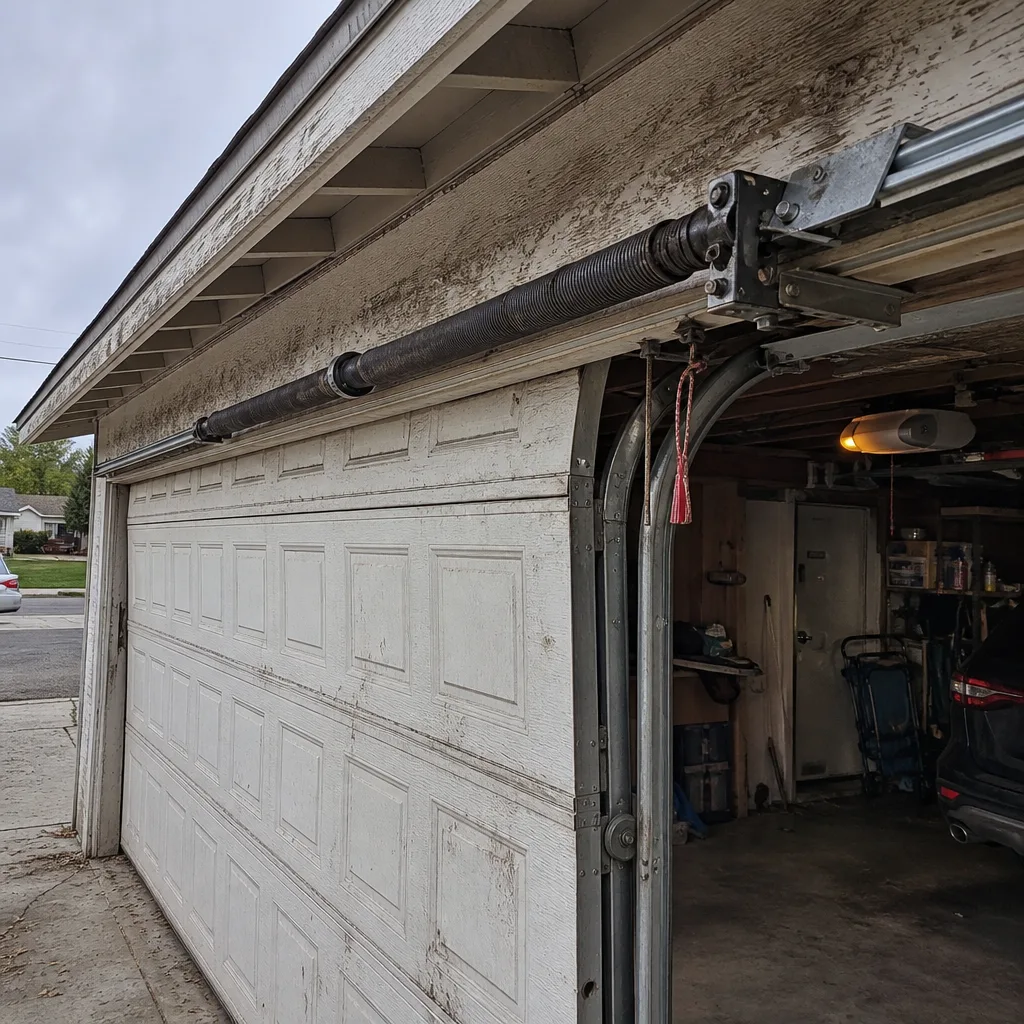 Before
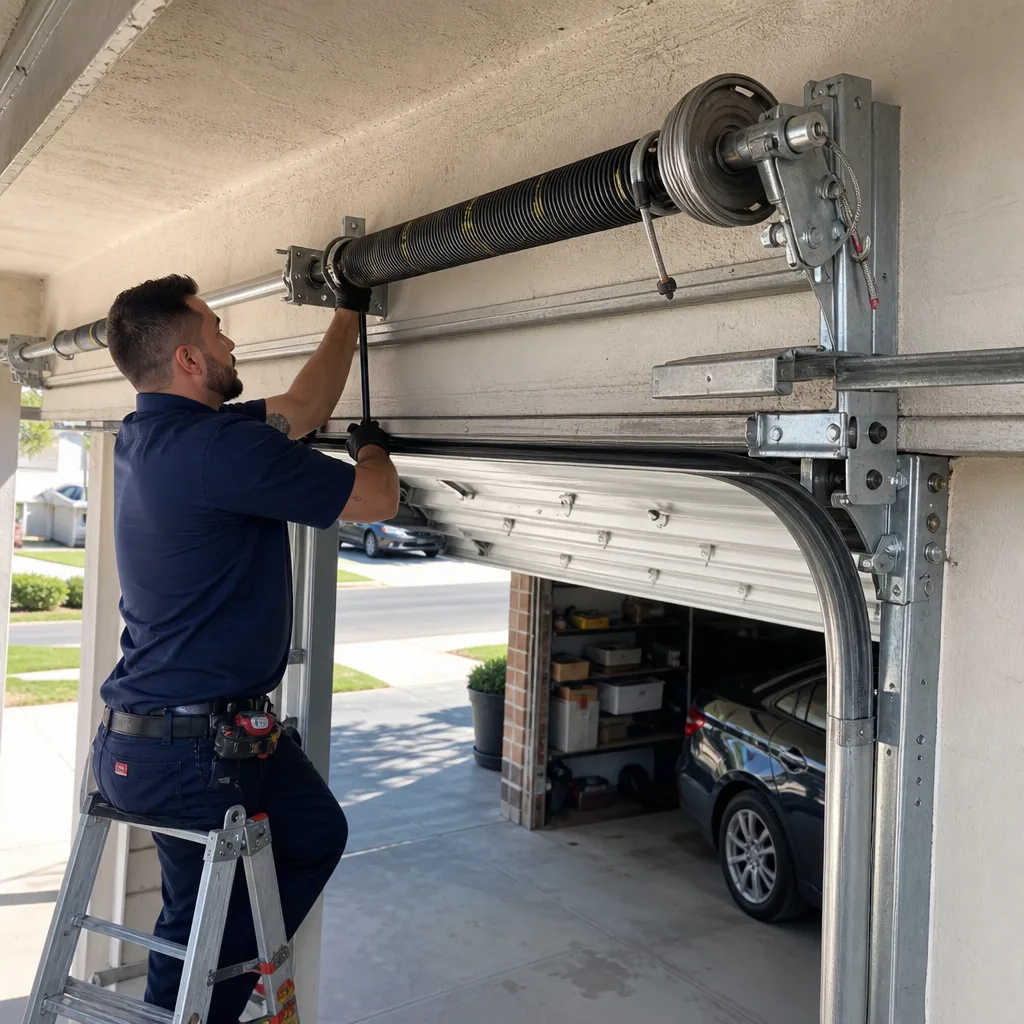 After
After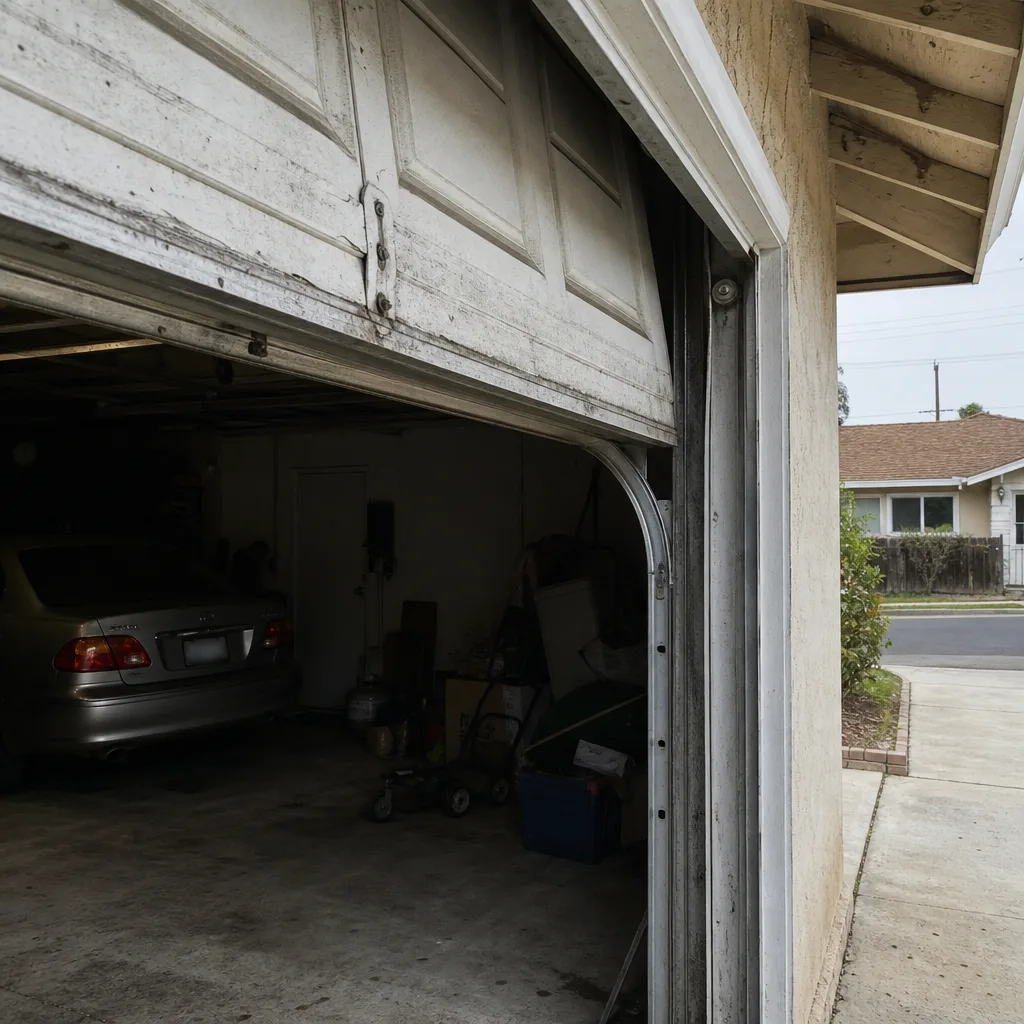 Before
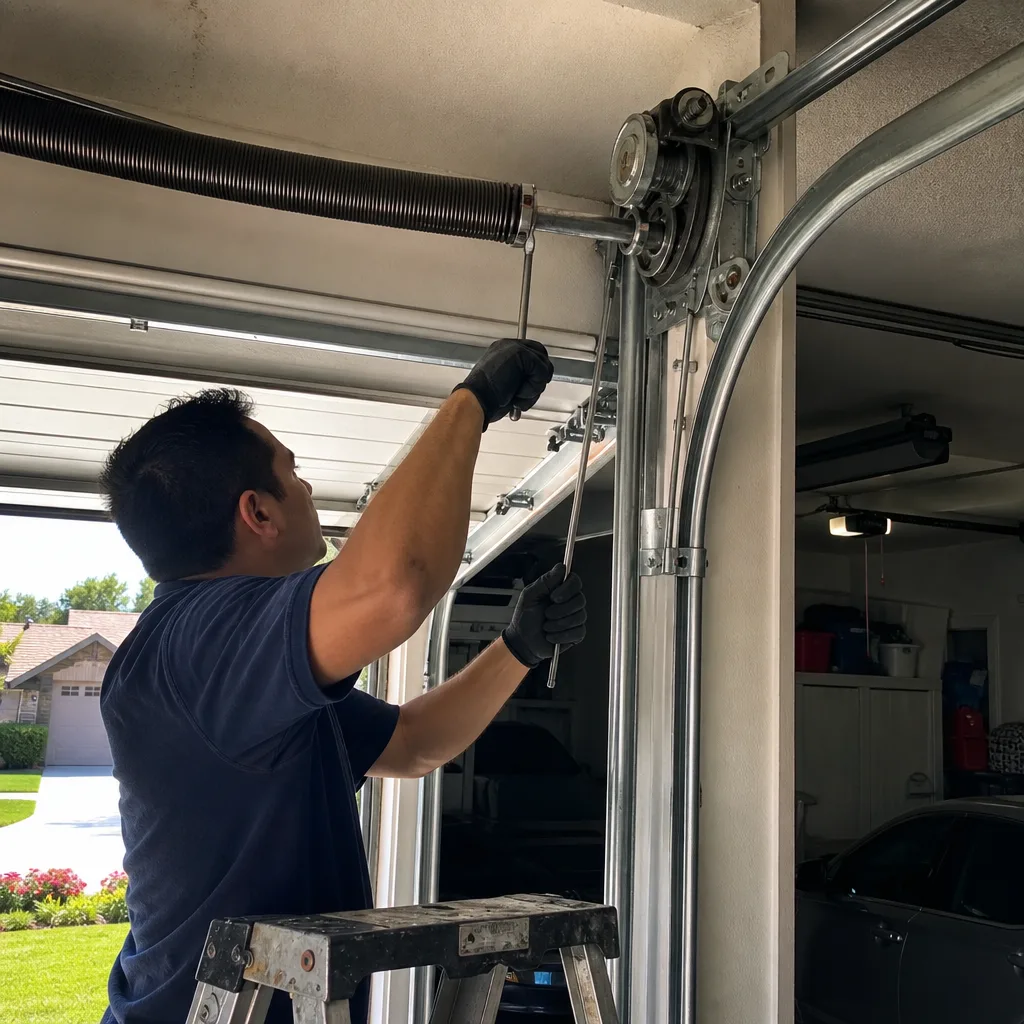 After
AfterGarage Door Permits, Codes & Inspections in CA: What You Need to Know
A garage door replacement that skips a required City of Anaheim permit can trigger a stop-work notice on an unrelated kitchen remodel three years later. That is not a hypothetical. We have seen it happen in the Park Anaheim neighborhood, where a homeowner’s unpermitted garage door installation surfaced during a routine resale disclosure review and froze a $340,000 addition until the door was brought to code. Most garage door work in California does not need a permit. But the exceptions - full replacements on attached garages, new construction, and any electrical work on opener circuits - are exactly where unpermitted labor creates expensive, time-consuming problems. This guide explains which jobs require permits in Anaheim, how the process works, and how to protect yourself when selling your home. For related reading, see our Garage Door Warning Signs: A Anaheim Homeowner’s Reference Guide.
Quick Answer
Most garage door repairs in California, including spring replacement, cable repair, roller swaps, and opener troubleshooting, do not require a building permit. For a complete maintenance schedule, see our Garage Door Repair Maintenance Checklist for Anaheim Homeowners. However, a full door replacement on an attached garage, any new construction installation, and any new electrical circuit for an opener do require permits under the California Building Code. In Anaheim, these permits are issued through the City of Anaheim Building Division, with inspections typically scheduled within 2-5 business days of request.
Table of Contents
- When Is a Garage Door Permit Required in California?
- Work That Does Not Require a Permit
- Title 24 Energy Compliance: What It Means for Your Door
- How Anaheim Processes Garage Door Permits: Step by Step
- The Inspection: What Inspectors Check and What They Ignore
- What Happens When Unpermitted Work Surfaces During a Home Sale
- Who Pulls the Permit: Contractor Responsibility vs. Homeowner Liability
- Permit Costs and Realistic Timelines in Anaheim
When Is a Garage Door Permit Required in California?
California Building Code Section 105.1 requires permits for construction, alteration, or repair of any building or structure. For garage doors, this translates to three specific scenarios where a permit is mandatory:
- Full door replacement on an attached garage. When you remove an existing door and install a new one, the building envelope changes. The California Energy Code (Title 24) treats this as an alteration requiring inspection for thermal performance, particularly because attached garages share at least one wall with conditioned living space.
- New construction installations. Any garage door installed in a newly built structure requires a permit as part of the overall building inspection sequence.
- New electrical circuits for garage door openers. Running a dedicated 120V circuit from your panel to a new opener location triggers electrical permit requirements under the California Electrical Code. This does not apply to plugging an opener into an existing outlet.
Here is where Anaheim’s local practice matters. The City of Anaheim Building Division interprets “repair” narrowly. If your technician replaces a damaged panel with an identical panel from the same manufacturer, that is repair. If you upgrade from a non-insulated steel door to an insulated model with a different R-value, Anaheim typically classifies that as replacement, not repair, even if the dimensions stay the same.
We encountered this distinction in the Anaheim Hills area in 2023. A homeowner replaced a 1987 non-insulated door with a modern insulated Clopay model, assuming the job was permit-exempt because the opening size did not change. The city flagged the work during a later pool enclosure permit application. The homeowner had to pay a retroactive permit fee, schedule a belated inspection, and provide documentation of the door’s U-factor compliance. The total delay added six weeks to an unrelated project.
Detached garages occupy a gray zone. Technically, a full door replacement on a detached garage that contains no habitable space and shares no walls with the main house may not trigger Title 24 requirements. However, Anaheim’s building department still recommends permits for detached garage door replacements if the structure has electrical service, because the inspector will verify GFCI protection on the opener circuit and proper grounding. We advise homeowners to call the Anaheim Permit Center at (714) 782-0297 before assuming exemption.
Key distinction: Opener replacement on an existing outlet does not require a permit. Opener installation requiring a new circuit does. The difference is whether an electrician touches your panel.
Work That Does Not Require a Permit
The majority of garage door service calls fall into permit-exempt categories. Understanding this boundary saves you time and prevents unnecessary fees. Browse more guides & resources on garage door care.
- Spring replacement. Torsion and extension spring swaps are maintenance, not alteration. No permit needed in Anaheim or anywhere in California.
- Cable repair or replacement. Like springs, cables are consumable components. Their replacement does not change the door’s structural or energy characteristics.
- Roller, hinge, and hardware replacement. These are routine maintenance items. Even replacing all rollers on a door is still repair.
- Opener repair and replacement on existing power. If your technician swaps a failed LiftMaster for a new Chamberlain unit and plugs it into the same outlet, no permit is required. The electrical load does not change, and no new wiring is run.
- Weatherstripping and seal replacement. These are maintenance items affecting air infiltration but not the door’s certified thermal performance.
- Safety sensor alignment and replacement. Required by federal law since 1993, these are safety maintenance, not structural alteration.
- Track adjustment and minor realignment. Correcting a door that has slipped off its track does not constitute alteration.
Where homeowners get confused is the line between “repair” and “replacement.” California Building Code defines repair as “the reconstruction or renewal of any part of an existing building for the purpose of its maintenance.” Replacement, by contrast, involves “the removal and substitution of an existing component.”
In practical terms: if we can fix your door by replacing failed parts with equivalent parts, no permit. If we must remove the entire door assembly and install a new one, permit. The material change matters too. Switching from wood to steel, or from uninsulated to insulated, pushes the job into replacement territory because the building’s thermal envelope changes.
Anaheim’s climate makes this distinction relevant year-round. Summer temperatures in the Platinum Triangle area regularly exceed 95°F, and winter lows in the canyon neighborhoods dip to the mid-40s. An insulated door replacement meaningfully affects the adjacent living space’s energy load. That is why Title 24 cares, and why the city enforces permits for these swaps.
Title 24 Energy Compliance: What It Means for Your Door
Title 24, Part 6 of the California Code of Regulations governs energy efficiency in building construction. For garage doors, the critical metric is U-factor, which measures how much heat passes through the door assembly. Lower U-factor means better insulation.
As of the 2022 Title 24 standards, garage doors on attached garages must meet specific U-factor requirements based on climate zone. Anaheim sits in California Climate Zone 8, which requires:
- Non-swinging garage doors (typical sectional roll-up): Maximum U-factor of 0.37
- Swinging garage doors (carriage-style swing-out): Maximum U-factor of 0.40
What this means in practice: if you replace a door on your attached Anaheim garage, the new door must carry a NFRC (National Fenestration Rating Council) label certifying its U-factor meets or exceeds the climate zone standard. The installer or supplier must provide this documentation. Without it, your permit application will be rejected, and your inspection will fail.
Most major manufacturers now label their doors for California compliance. We regularly install Clopay and Amarr models that carry factory-certified NFRC labels. Raynor and Wayne Dalton also offer Title 24-compliant options. If you are sourcing your own door, verify the label before purchase. A door sold in Arizona or Nevada may not carry California certification even if the construction appears identical.
The compliance path has two routes:
- Prescriptive compliance: Install a door with a labeled U-factor at or below the maximum. This is the straightforward path for most homeowners.
- Performance compliance: Demonstrate through whole-building energy modeling that the door’s U-factor, combined with other building features, meets the overall energy budget. This path is rare for single-door replacements and typically used in new construction or major renovations.
Title 24 compliance matters beyond the permit desk. In Anaheim’s older neighborhoods - particularly those built between 1950 and 1980 around West Anaheim and the Colony district - original garage doors are often uninsulated steel or wood with effective U-factors of 0.60 or higher. Upgrading to a compliant door typically reduces the adjacent room’s heating and cooling load by 10-15%, a meaningful saving given Southern California Edison rates.
We have measured this directly. In a 1972 ranch home near Canyon High School, we replaced an original uninsulated steel door with a Clopay Intellicore model rated at U-factor 0.32. The homeowner reported that the bedroom above the garage, previously the hottest room in summer, now tracked within 3 degrees of the rest of the house. The permit and inspection process, completed in four business days, documented the compliance that protected their resale value.
One detail competitors rarely mention: Title 24 applies to the entire door assembly, not just the panels. The frame, track, and weatherseal system must be part of the certified assembly. Mixing a compliant door with non-certified track hardware can create a technical violation, though inspectors in Anaheim typically focus on the door label itself.
How Anaheim Processes Garage Door Permits: Step by Step
The City of Anaheim uses a two-track permit system: over-the-counter permits for simple projects, and plan-check permits for complex work. Most garage door replacements qualify for over-the-counter issuance if you bring complete documentation.
Step 1: Determine permit type
Call the Anaheim Permit Center at (714) 782-0297 or use the online permit portal. Describe your project: “replacement of existing garage door on attached garage” or “new garage door in new construction.” Staff will direct you to the correct application.
Step 2: Prepare documentation
For over-the-counter permits, you need:
- Completed building permit application
- Manufacturer’s cut sheet showing door dimensions, construction, and U-factor rating with NFRC label
- Site plan showing garage location on property (available from Orange County Assessor if you lack a survey)
- Contractor’s license information (if using a licensed contractor)
- Homeowner’s signature acknowledging responsibility or contractor’s signature if they are pulling the permit
Step 3: Submit and pay fees
Over-the-counter permits are typically issued same-day at the Permit Center, 200 S. Anaheim Boulevard, Suite 433. Fees vary by valuation; for a standard residential garage door replacement, expect $150-$280 for the building permit plus $80-$120 for the inspection. Electrical permits for new opener circuits are separate, typically $85-$140.
Step 4: Schedule inspection
Anaheim requires inspection of the completed installation. Schedule through the online system or by calling (714) 782-0297. Inspection slots are generally available within 2-5 business days, though peak construction season (March through October) can stretch to 7-10 days.
Step 5: Pass inspection and receive final
The inspector verifies door operation, safety sensor function, proper track anchorage to structural framing, and U-factor label match. Electrical inspections, if required, verify GFCI protection, proper grounding, and load calculation. Upon passing, the permit is finaled and the record attaches to your property’s certificate of occupancy.
One Anaheim-specific wrinkle: properties in the Anaheim Resort district or specific historic overlay zones may require additional design review. The original 1950s tract homes in these areas are increasingly subject to architectural compatibility requirements. Check with planning staff if your home has any historic designation.
We recommend homeowners request a copy of the final inspection card and keep it with their property records. When you sell, this documentation preempts questions. In Orange County’s disclosure-heavy market, having permit records organized signals a well-maintained property.
The Inspection: What Inspectors Check and What They Ignore
Understanding the inspector’s actual checklist reduces anxiety and prevents callback failures. Anaheim building inspectors follow the California Residential Code and California Electrical Code, but their field practice has predictable patterns.
Structural and mechanical inspection (building permit):
- Door is properly sized for the opening with no gaps exceeding 3/8 inch at sides or top
- Track is securely fastened to structural framing, not just trim or sheathing
- Spring system is rated for door weight and properly anchored
- Safety sensors are installed no higher than 6 inches above floor level and aligned
- Door reverses upon contact with 2×4 obstruction placed on floor (UL 325 test)
- Manual release handle is present and functional for opener-equipped doors
- U-factor label on door matches permit application documentation
Electrical inspection (when new circuit required):
- Circuit is properly sized for opener load (typically 15A for residential units)
- GFCI protection is present for all garage receptacles
- Proper grounding and bonding
- Panel labeling is updated
What inspectors typically do not check:
- Cosmetic finish or color match
- Noise level or smoothness of operation beyond basic function
- Brand of opener or door (only compliance with safety standards)
- Remote control range or smart-home connectivity
- Weatherstripping condition beyond obvious gaps
We have accompanied inspectors on hundreds of Anaheim garage door inspections. The most common failure is not the door itself but the safety sensor height. Homeowners or handymen often mount sensors at 8 or 10 inches for convenience, above the 6-inch maximum. This fails UL 325 and requires correction.
Another frequent issue in Anaheim’s older homes: track anchorage into degraded wood framing. The 1960s and 1970s tract construction in neighborhoods like Southwest Anaheim used lower-grade lumber that can split or rot around the jamb. Inspectors will fail a track that appears inadequately supported, requiring sistering of new framing or installation of a proper header.
The inspection itself takes 15-30 minutes. The inspector does not need you present if your contractor has arranged access, though we always recommend homeowner presence for questions. If the installation fails, Anaheim allows re-inspection within 10 business days without additional fee for the first callback. Subsequent re-inspections incur charges.
What Happens When Unpermitted Work Surfaces During a Home Sale
Orange County’s real estate market operates under stringent disclosure requirements. California Civil Code Section 1102 mandates sellers disclose material facts affecting property value, including unpermitted improvements. Garage door work surfaces in three common scenarios.
Scenario one: Buyer’s inspection
A thorough home inspector examines the garage door for operation and safety. If the door is obviously new but no permit appears on city records, the inspector notes this in their report. The buyer’s lender or insurer may then require permit verification. FHA and VA loans are particularly strict; either can delay closing until permits are validated or obtained retroactively.
Scenario two: Appraisal flag
Appraisers for conventional loans increasingly check permit history for any improvement affecting square footage or building envelope. A garage conversion or significant door upgrade without permits can trigger a “subject to” appraisal, requiring correction before loan funding.
Scenario three: Disclosure form direct question
The California Residential Purchase Agreement asks specifically about room additions, structural modifications, and alterations performed without permits. A garage door replacement on an attached garage qualifies as alteration. Answering falsely exposes the seller to post-sale liability; answering truthfully triggers negotiation.
In our experience across Anaheim and north Orange County, unpermitted garage door work typically costs 3-5 times more to resolve at sale than to permit correctly at installation. The retroactive permit process requires:
- Application with full documentation (often difficult if the original installer is unavailable)
- Potential removal of trim or finish to verify structural anchorage
- Possible door replacement if the original model lacks Title 24 certification
- Payment of original permit fees plus penalties, typically 150-300% of standard fees
- Inspection scheduling on the city’s timeline, not yours
We worked with a seller in the Orange Park Acres area in 2024. Their 2019 garage door replacement, performed by an unlicensed contractor who skipped permits, surfaced during escrow. The buyer’s lender required permit compliance. We had to remove and reinstall the door to verify anchorage, provide a compliant cut sheet (the original contractor had used a non-certified model), and pay $1,840 in retroactive fees and penalties. The original “savings” of skipping the permit cost approximately $4,200 in added expense and delayed closing by 23 days.
The disclosure risk is particularly acute for Anaheim’s long-term homeowners, our core customer base. If you have lived in your home 20 or 30 years, you may have had multiple garage door replacements. Each one should have permit documentation. Organizing these records before listing prevents last-minute crises.
Who Pulls the Permit: Contractor Responsibility vs. Homeowner Liability
California Business and Professions Code Section 7110 requires licensed contractors to comply with all building laws and regulations applicable to their work. This includes obtaining necessary permits. However, the statute does not explicitly mandate that the contractor must pull the permit; it requires only that the work comply with code.
In practice, permit responsibility depends on your contract language. There are three common arrangements:
Contractor pulls permit, includes in bid
This is standard for reputable garage door companies. The contractor handles application, fees, scheduling, and inspection attendance. The permit lists the contractor as responsible party. If inspection fails, the contractor corrects at their expense. This is the arrangement Mainspring Garage Door Co. uses for all permit-required work.
Homeowner pulls permit as owner-builder
Some homeowners prefer this for cost savings or control. The permit lists the homeowner as responsible party. The contractor works under this permit as subcontractor. If inspection fails, the homeowner must coordinate correction. This arrangement also exposes the homeowner to workers’ compensation liability if the contractor lacks proper coverage.
No permit pulled, verbal or handshake agreement
This is the riskiest arrangement and unfortunately common with low-bid operators. The homeowner assumes they are saving money. Both parties are exposed. If discovered, the homeowner is liable for penalties as property owner; the contractor faces CSLB discipline including license suspension.
Liability breakdown if permits are skipped:
- City enforcement: Fines and stop-work orders attach to the property, enforced against the owner. The city has no direct authority over the contractor unless the contractor still holds an active license and the CSLB takes separate action.
- Resale disclosure: The owner must disclose or risk fraud claims. The contractor has no disclosure obligation.
- Insurance claims: If unpermitted work contributes to damage (fire from faulty electrical, collapse from improper structural work), the insurer may deny coverage based on code violation. The owner bears the loss.
- Contractor discipline: The CSLB can suspend or revoke a license for willful code violation, but this requires complaint and investigation. Many low-bid operators work without licenses or with suspended licenses already, making CSLB action irrelevant.
We recommend a simple protection: before work begins, request a copy of the permit application or the issued permit. Reputable contractors provide this without hesitation. If a contractor suggests skipping the permit “to save you money,” that is a red flag. The savings are illusory, and the risk is entirely yours.
In Anaheim specifically, the city has increased permit cross-checking with contractor license status. Since 2022, permit applications trigger automatic CSLB license verification. Unlicensed contractors cannot pull permits in their own name, which is why they push owner-builder arrangements or skip permits entirely.
Permit Costs and Realistic Timelines in Anaheim
Permit costs in Anaheim follow a valuation-based fee schedule. For garage door work, the relevant ranges are:
| Project Type | Estimated Valuation | Building Permit Fee | Inspection Fee | Total (Building Only) |
|---|---|---|---|---|
| Garage door repair (no permit) | N/A | $0 | $0 | $0 |
| Garage door replacement, attached | $1,500-$3,500 | $150-$280 | $80-$120 | $230-$400 |
| Garage door replacement, detached | $1,200-$2,800 | $120-$220 | $70-$100 | $190-$320 |
| New construction installation | $2,000-$4,500 | $180-$340 | $90-$140 | $270-$480 |
| New electrical circuit for opener | $400-$800 | $85-$140 | $65-$95 | $150-$235 |
These are city fees only, not contractor charges. Most contractors who pull permits include permit handling in their project management fee or absorb it into the total bid. Ask for line-item clarity.
Timeline realities:
- Over-the-counter permit issuance: Same day if documentation is complete. Morning submissions (before 11 AM) have better odds of same-day processing.
- Plan-check permits (rare for garage doors): 2-4 weeks if required for complex projects
- Inspection scheduling: 2-5 business days standard; 7-10 days during peak season (March-October)
- Re-inspection after failure: 3-5 business days; first callback typically no additional fee
- Final documentation: 2-3 business days after passing inspection for online record update
Total elapsed time from permit application to final inspection: typically 5-10 business days for straightforward replacements, assuming first-pass inspection success. New construction follows the overall building schedule, with garage door inspection as one milestone in a longer sequence.
Anaheim offers expedited inspection for an additional fee ($75 as of 2024) with 24-hour scheduling guarantee. This is rarely needed for garage door work but useful if you are coordinating multiple trades or have a hard deadline such as a home sale closing.
One practical note for Anaheim’s established neighborhoods: properties with unpermitted work from prior owners may have “open” permits on file that block new permits. The city will not issue a new permit until old violations are resolved. A title search or permit history request (free through the Anaheim Permit Center) can surface these issues before you schedule work.
Common Mistakes to Avoid
- Assuming all garage door work is permit-exempt. Full replacements on attached garages require permits. Verify before starting.
- Accepting a contractor’s claim that “Anaheim doesn’t enforce garage door permits.” Enforcement has increased significantly since 2022, particularly triggered by unrelated permit applications.
- Installing a non-certified door from out-of-state suppliers. That bargain door from Arizona may lack NFRC labeling and fail inspection. Verify California compliance before purchase.
- Neglecting to request final inspection documentation. The permit is not closed until inspection passes. An “issued” permit with no final is functionally worthless for resale.
- Letting an unlicensed contractor pull an owner-builder permit. This exposes you to liability without the protection of contractor licensing and insurance requirements.
- Forgetting electrical permits for new opener circuits. The building permit does not cover electrical work. Both are required.
- Discarding old permit records during moves or estate transitions. Organize and retain all permit documentation; it is part of your property’s legal history.
When to Call a Professional
Permit questions are not DIY territory. The cost of getting it wrong - delayed sales, penalties, stop-work orders, insurance disputes - far exceeds any perceived savings. Call a licensed garage door contractor when you are considering any door replacement, when your home has prior unpermitted work that needs resolution, or when you need documentation for an upcoming sale.
Garage door installation in Anaheim requires specific expertise in Title 24 compliance, local inspection expectations, and proper structural anchorage. Garage door repair in Anaheim, by contrast, rarely needs permits but still demands journeyman-level skill for safe spring and cable work.
Mainspring Garage Door Co. offers free estimates in Anaheim. We pull all required permits, attend inspections, and provide final documentation with every permit-requiring job. Our trucks carry Clopay, Amarr, and Raynor doors with factory NFRC labels for immediate Title 24 compliance. Call (714) 782-0297 to discuss your project.
Frequently Asked Questions
Yes, if the garage is attached to your home and you are doing a full door replacement. The California Building Code and Title 24 energy standards require permits for attached garage door replacements to verify thermal envelope compliance. Detached garage replacements may not require building permits but still need electrical permits if you are running new power for an opener.
A standard residential garage door replacement permit in Anaheim costs $230-$400 total, including building permit and inspection fees. New electrical circuits for openers add $150-$235. These are city fees separate from contractor charges. Call the Anaheim Permit Center at (714) 782-0297 for exact fee quotes based on your project valuation.
Over-the-counter permits issue same day with complete documentation. Inspections schedule within 2-5 business days, or 7-10 days during peak construction season. Total elapsed time from application to final is typically 5-10 business days. Expedited 24-hour inspection is available for an additional $75 fee.
You must disclose the unpermitted work on California’s mandatory disclosure forms. If discovered, the buyer may demand retroactive permitting, request a price reduction, or walk from the deal. Lenders and insurers may also require permit compliance before funding. Retroactive permits cost 3-5 times more than original permits and can delay closing by weeks.
Your licensed contractor should pull the permit as standard practice. This places responsibility on the party with technical expertise and insurance. If a contractor asks you to pull an owner-builder permit, ask why. This arrangement exposes you to liability and may indicate the contractor lacks proper licensing or insurance.
Yes, if your garage is attached to conditioned living space. Title 24 requires garage doors in Climate Zone 8 (Anaheim) to meet maximum U-factor standards: 0.37 for roll-up doors, 0.40 for swinging doors. The door must carry an NFRC label certifying compliance. Most major manufacturers now produce California-compliant models; verify before purchase.
The Bottom Line
California garage door permits are narrower than most homeowners fear but stricter than many contractors admit. Repairs and opener swaps on existing power need no permits. Full replacements on attached garages, new construction, and new electrical circuits do. The Title 24 energy standard is the gatekeeper for replacements, and Anaheim’s building department enforces it consistently. The cost of proper permitting is modest; the cost of skipping it, discovered at sale or during unrelated work, is substantial. Document everything, verify your contractor’s license, and keep final inspection records with your property files. That is the square deal.
Written by Carl Dutton, Owner at Mainspring Garage Door Co., serving Anaheim since 2016.