
Last updated September 10, 2026
Full 25-point door and opener safety check with every visit - springs, cables, rollers, tracks, and your LiftMaster or Chamberlain opener included
You get a price before we start. It does not change when the truck arrives.
 Before
 After
After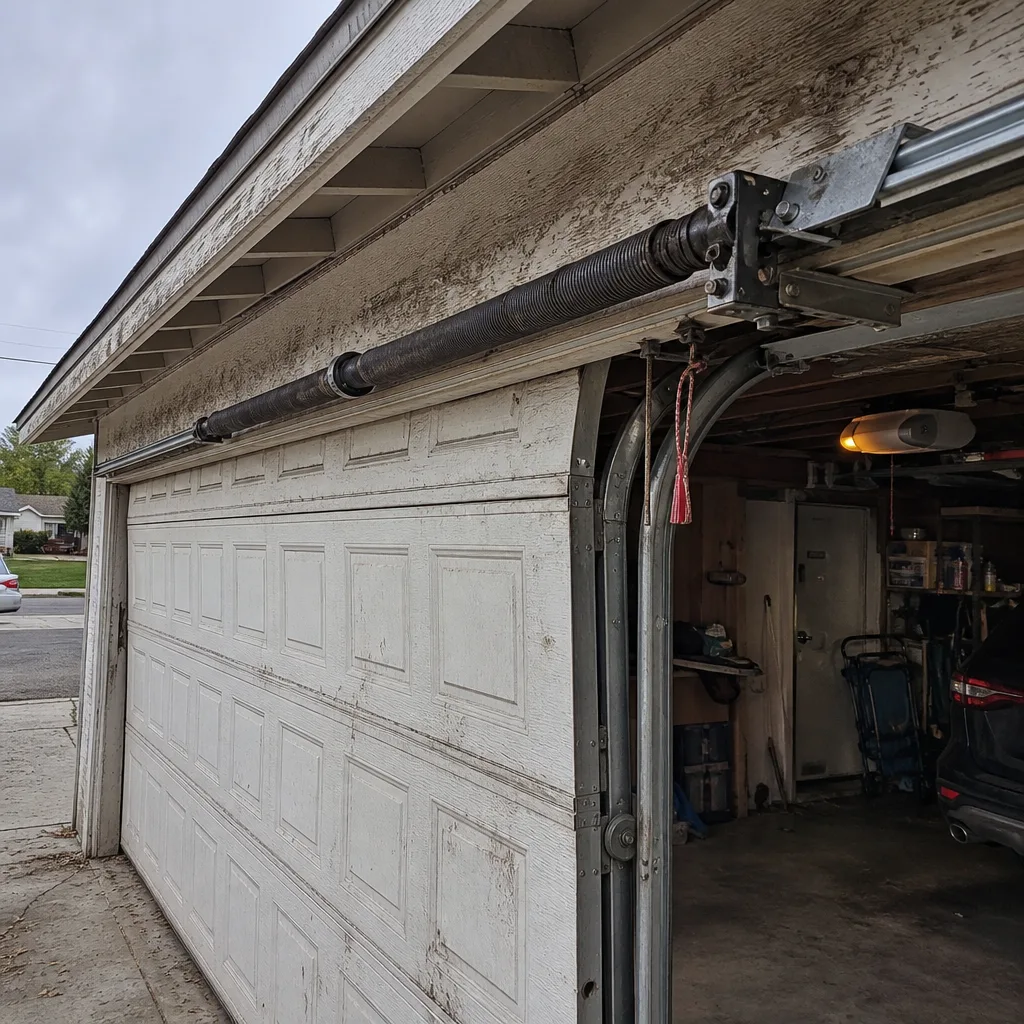 Before
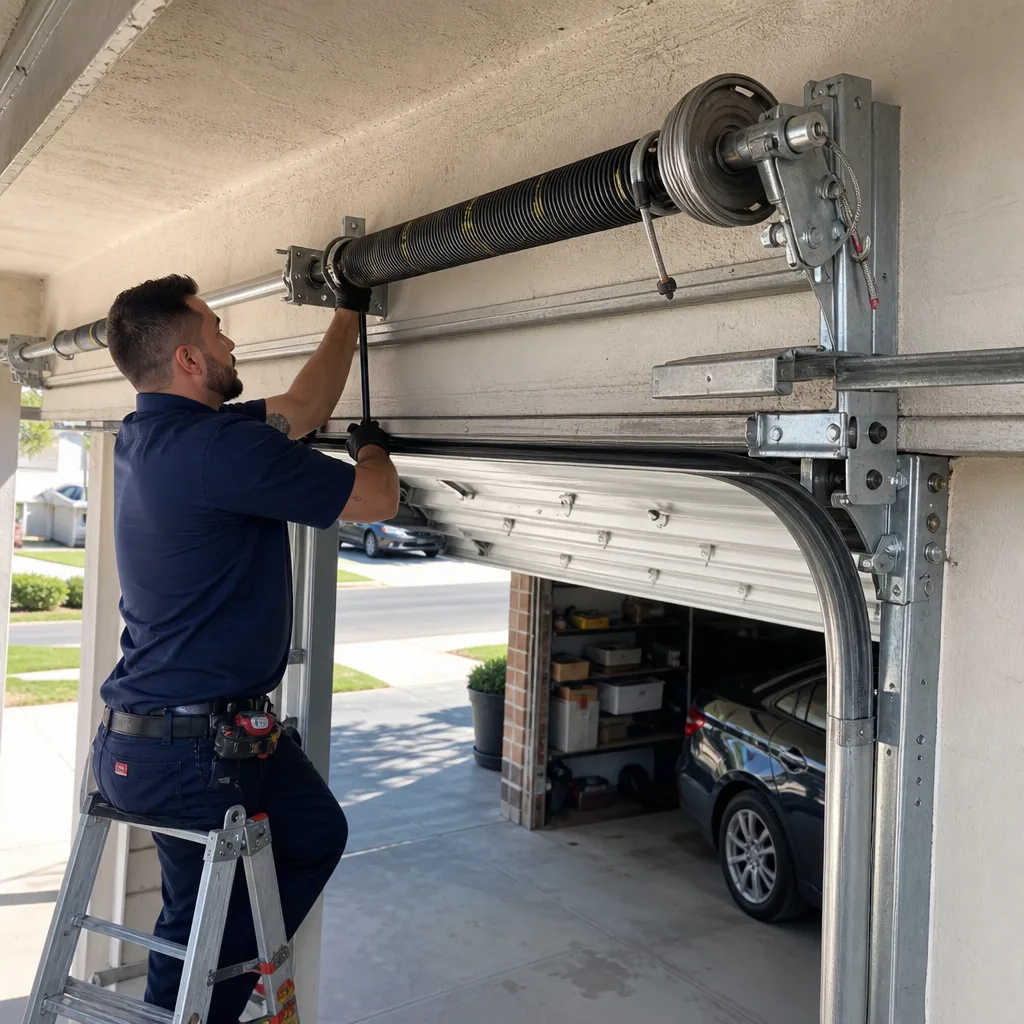 After
After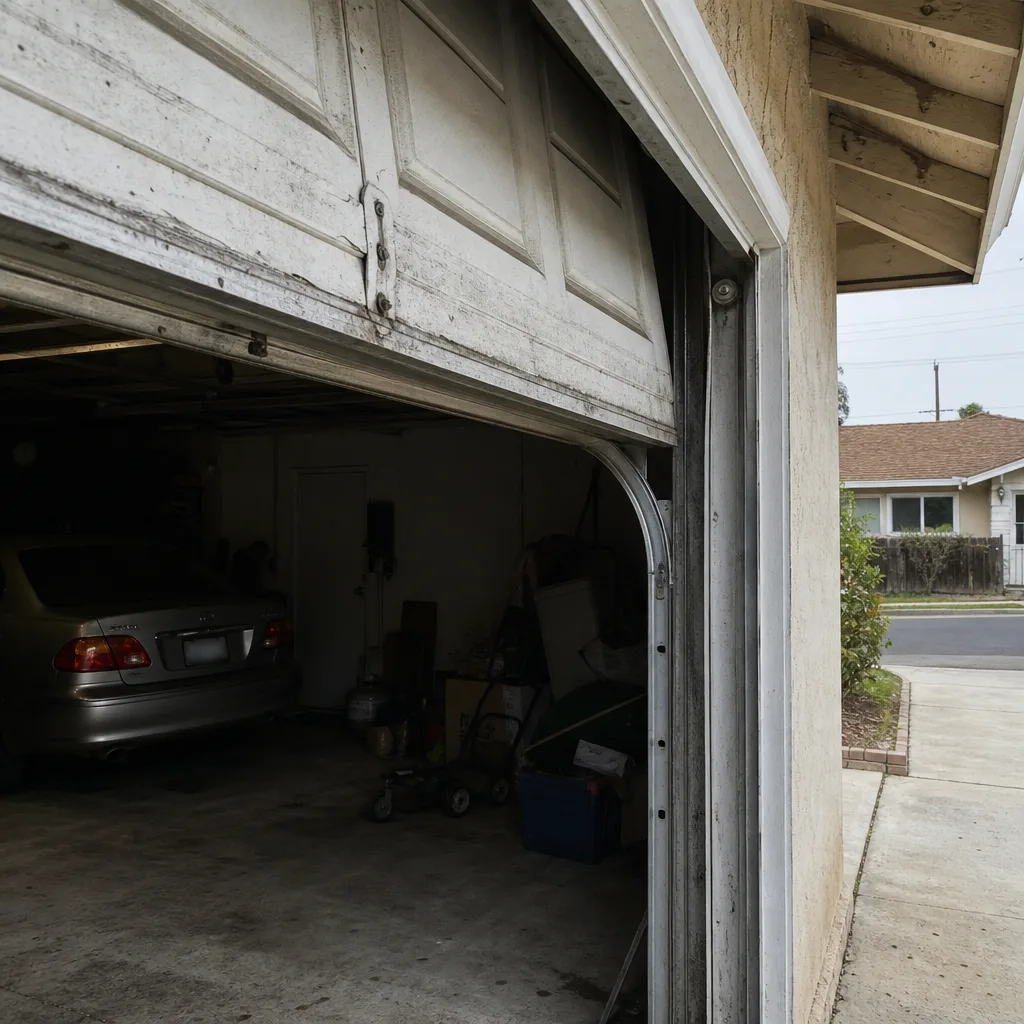 Before
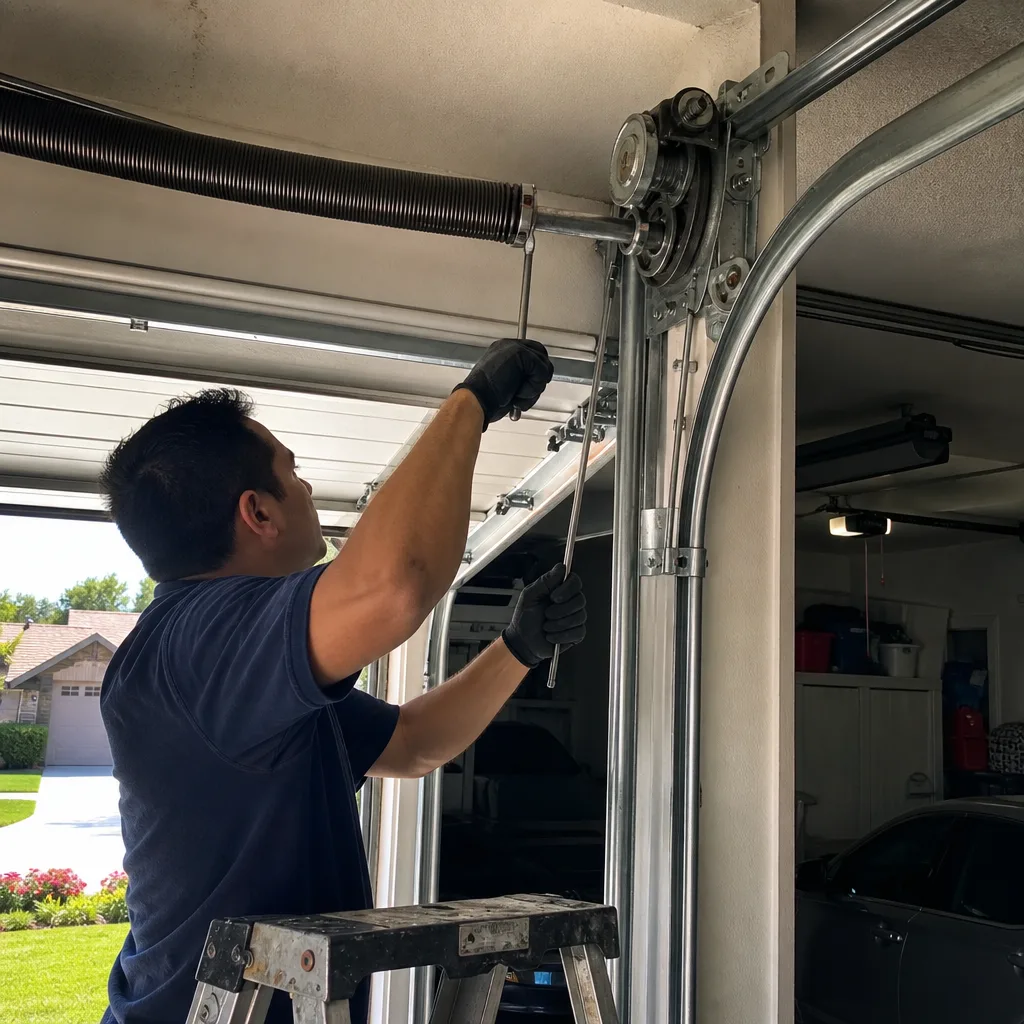 After
AfterSeasonal Garage Door Care for Anaheim: Year-Round Homeowner’s Guide
Anaheim’s reputation for mild weather hides a harder truth for garage doors. The temperature inside an uninsulated garage in July regularly exceeds 130°F, which accelerates spring fatigue faster than a cold-climate freeze cycle. Most homeowners here assume their door needs less attention than one in Chicago or Denver, but the opposite is true: our three distinct mechanical stress periods - Santa Ana winds, peak summer heat, and wet marine winter - each attack different components in a predictable sequence. In this guide, you’ll learn when to inspect what, why Anaheim’s specific climate patterns cause the failures we see most often, and how a 15-minute seasonal walkthrough can add years to your door’s life. For a deeper dive, see our Complete Guide to Garage Door in Anaheim.
Quick Answer
Garage door care in Anaheim follows three stress periods rather than four seasons: inspect weatherstripping and bottom seals before Santa Ana winds arrive in October, check torsion springs and opener circuit boards during peak heat in August, and test safety sensors and track alignment after January rains. A 15-minute inspection timed to each period prevents the majority of emergency calls we handle in Anaheim neighborhoods from Anaheim Hills to the Platinum Triangle.
Table of Contents
- Why Anaheim’s Climate Is Harder on Garage Doors Than Most People Think
- October: The Santa Ana Stress Period - Weatherstripping and Seals
- January: The Wet Marine Period - Safety Systems and Metal
- August: The Peak Heat Period - Springs and Opener Electronics
- The 15-Minute Seasonal Walkthrough for Anaheim Homeowners
- How Brand and Material Choices Hold Up in Anaheim Conditions
- Common Mistakes to Avoid
- When to Call a Professional
- Frequently Asked Questions
- The Bottom Line
Why Anaheim’s Climate Is Harder on Garage Doors Than Most People Think
The myth of perfect Southern California weather dies fast when you crawl into a garage attic in August. We’ve measured surface temperatures on uninsulated steel doors in Anaheim neighborhoods like Anaheim Hills and the Colony that exceed 165°F. That heat does not simply make the garage uncomfortable. It changes how metal behaves, how electronics age, and how rubber compounds degrade.
Most national garage door guides assume a four-season climate with freeze-thaw cycles as the primary enemy. Anaheim’s threat profile is different, as detailed in our DIY vs Professional Garage Door: The Anaheim Homeowner’s Decision Guide. We have three distinct stress periods, each with its own failure signature:
- Santa Ana season (September-November): Sustained dry winds with gusts to 50+ mph drive dust and debris into track systems, degrade adhesive bonds on weatherstripping, and create negative pressure that tests bottom seal contact.
- Peak heat (June-September): Sustained temperatures above 90°F push garage interiors past 130°F, accelerating torsion spring metal fatigue and cooking opener circuit boards in poorly ventilated motor housings.
- Wet marine winter (December-March): Moisture-laden air from the Pacific, not heavy rain, causes slow corrosion on unlubricated hardware and fogs safety sensor lenses with salt residue.
The cycling pattern matters too. Anaheim homeowners use their garage doors more frequently than cold-climate residents who may park outside for months. Each cycle loads and unloads the torsion spring. In summer, that cycling happens in metal already softened by heat. The fatigue accumulates differently than in a climate where cold makes metal brittle. We’ve replaced springs in Anaheim that showed heat-induced stress fracturing invisible to the naked eye until failure.
Ventilation is the overlooked variable. A garage with a west-facing door, no vents, and a dark-colored steel surface becomes an oven. Opener manufacturers like Genie and LiftMaster specify operating temperatures up to 120°F for their circuit boards. We’ve pulled failed boards from Anaheim garages where the ambient temperature near the motor unit measured 138°F. The warranty does not cover that.
Understanding these patterns lets you time inspections to prevent failure rather than react to it. The rest of this guide maps each stress period to the specific components most at risk, with a walkthrough you can complete in 15 minutes.
October: The Santa Ana Stress Period - Weatherstripping and Seals
The Santa Ana winds arrive with little warning and stay for days. In October 2023, we fielded a cluster of calls from the Platinum Triangle and Anaheim Resort areas within a 48-hour window, all for the same issue: garage doors that would not seal, rattled in their tracks, or had visible daylight beneath the bottom panel.
The mechanism is straightforward. Sustained 30-50 mph winds, with gusts higher, create pressure differentials across the garage door surface. The door becomes a sail. Weatherstripping that was merely aging in September separates from the frame in October. Bottom seals lose contact with uneven concrete thresholds. Dust and fine debris infiltrate track rollers, turning lubricant into grinding paste.
Here’s what we inspect before Santa Ana season:
- Check weatherstripping adhesion. Run your hand along the vinyl or rubber seal where the door meets the frame. Any section that lifts away with gentle pressure needs replacement. In Anaheim’s dry heat, adhesive backing on self-stick stripping degrades faster than in humid climates. We see this especially on north-facing doors that never get direct sun to keep the adhesive pliable.
- Test bottom seal contact. Close the door and look for daylight from inside. A uniform gap of even 1/8 inch becomes a debris channel under Santa Ana conditions. On older Anaheim homes in the Colony and Historic District, settled concrete thresholds often create uneven contact. A bulb-type bottom seal with internal ribs adapts better than a flat vinyl strip.
- Inspect track mounting. Wind load transfers to the track brackets. Check for loose lag screws into the wall framing, especially on the windward side. In pre-1980 Anaheim construction, we sometimes find tracks secured only to the door jamb trim, not structural framing. That fails under sustained load.
- Clear and lubricate rollers. Remove visible debris from tracks with a dry cloth. Apply a silicone-based lubricant to roller bearings, not the track surface itself. WD-40 is not a lubricant for this purpose; it attracts dust and evaporates.
The specific damage we see in Anaheim from Santa Ana winds is seal-related, not structural. A door that seals properly before October rarely sustains frame damage. One with degraded weatherstripping lets wind penetrate, creating vibration that loosens hardware over the season. The $40 seal replacement in October prevents the $200 track realignment in December.
We stock multiple bottom seal profiles and weatherstripping adhesives rated for high-heat exposure on our trucks. Most Santa Ana prep visits finish in a single trip.
January: The Wet Marine Period - Safety Systems and Metal
January in Anaheim does not bring Midwestern snow or Northeastern ice. It brings marine layer moisture, occasional El Niño downpours, and the slow corrosion that follows. The failure pattern is different from Santa Ana season: instead of sudden seal failure, we see gradual degradation of safety systems and hardware that accumulates unnoticed until a component fails.
The marine layer is the hidden threat. Fog and mist from the Pacific roll into Anaheim mornings, especially in neighborhoods west of the 5 freeway like West Anaheim and the areas near Katella. That moisture carries dissolved salts. It deposits a nearly invisible film on metal surfaces. Left unaddressed, it starts galvanic corrosion between dissimilar metals - steel hinges on aluminum tracks, for instance.
Here’s what January stress targets:
- Safety sensor lenses. Photo-eye sensors at the door base must maintain a clear infrared beam across the opening. Moisture film, dust, or salt residue scatters that beam. The door reverses randomly or refuses to close. We clean more sensor lenses in January than any other month. A soft cloth and mild glass cleaner, not solvent, restores function.
- Track and hinge corrosion. Surface rust on hinges is cosmetic. Pitting on roller stems or track interior surfaces is not. Pitted rollers bind in the track, increasing opener load and accelerating gear wear. We replace pitted rollers before they score the track itself.
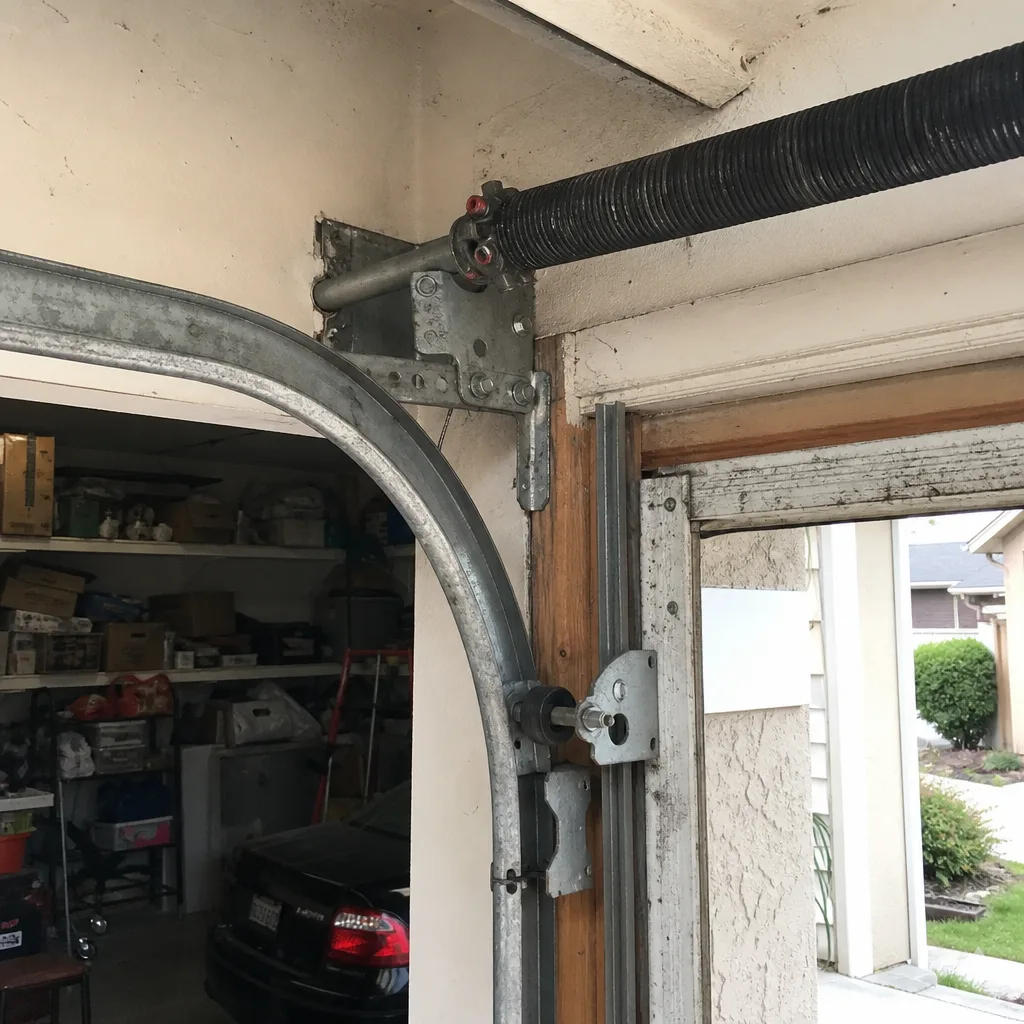
- Spring anchor bracket integrity. The anchor bracket that secures the torsion spring to the header wall is often the slowest component to show corrosion. By the time it does, the metal has thinned significantly. We check for rust streaks on the header wall beneath the bracket, which indicates water has been pooling there.
- Opener rail deflection. Moisture swells wooden header boards in older homes. The opener rail, mounted to that header, shifts out of alignment. Chain-drive openers tolerate this better than belt-drive or screw-drive units. We see premature belt wear in January on installations where the rail has sagged 1/4 inch or more.
The specific Anaheim factor is drainage. Homes built before 1985 often have garage slabs poured without perimeter drainage. Water pools at the door threshold, accelerates bottom seal rot, and wicks up into the end of the bottom panel. We’ve replaced bottom panels in the Anaheim Hills where the interior skin had delaminated from years of slow moisture intrusion.
Our January inspection protocol includes testing the auto-reverse function with a 2×4 board placed flat on the threshold. The door must reverse within two seconds of contact. California building code requires this; most homeowners have never tested it. We also verify that the emergency release handle operates freely. Moisture swells nylon release cords, making them stiff.
The garage door repair in Anaheim calls we see in January are almost always preventable with October and January inspections. The pattern is consistent enough that we can predict which neighborhoods will spike based on the prior month’s rainfall.
August: The Peak Heat Period - Springs and Opener Electronics
August is when Anaheim garage doors die, and garage door costs in Anaheim spike for unprepared homeowners. Not dramatically, usually. Quietly, in the afternoon, when the garage has been baking since 10 a.m. and the homeowner presses the remote to leave for an appointment. The spring, already fatigued from years of heat cycling, finally exceeds its remaining cycle life. The door goes up 18 inches and stops. Or the opener hums and the door does not move, because the circuit board has thermally shut down.
We’ve logged our call data for Anaheim going back over a decade. August shows a 40% increase in spring failures over our annual average. July is close. September trails as temperatures moderate. The correlation is not coincidence.
Torsion springs are hardened steel, typically oil-tempered or galvanized. Their cycle rating - usually 10,000 cycles for standard springs, 25,000 or 30,000 for high-cycle - assumes moderate operating temperatures. Every 10°F above 100°F reduces the effective cycle life by a measurable percentage. In a garage that hits 130°F internally, a standard spring rated for 10 years may fail in 6 or 7.
The failure mode is instructive. Cold-climate spring failures tend to be sudden, complete breaks at the coil body. Heat-fatigue failures in Anaheim more often show as “relaxation” - the spring loses tension gradually, the door becomes heavier for the opener, and the opener’s force settings are eventually exceeded. Homeowners notice the opener straining before the spring actually breaks. That warning period is your opportunity.
Opener electronics fail differently. The circuit board in a modern opener, whether a Genie chain-drive or a LiftMaster belt-drive unit, contains capacitors and relay switches with temperature ratings. Sustained exposure above 120°F degrades capacitor electrolyte. Relay contacts oxidize faster. The failure is often intermittent at first: the opener works in the morning, fails in the afternoon, works again after sundown. By the time it fails completely, the board is often beyond economical repair.
Ventilation is the mitigation. If your garage has no vents, consider adding passive soffit vents or a thermostatically controlled exhaust fan. Even a small reduction in peak temperature extends component life significantly. Shade the door surface if possible. A light-colored door or reflective coating reduces surface temperature by 20°F or more.
Our August inspection focuses on:
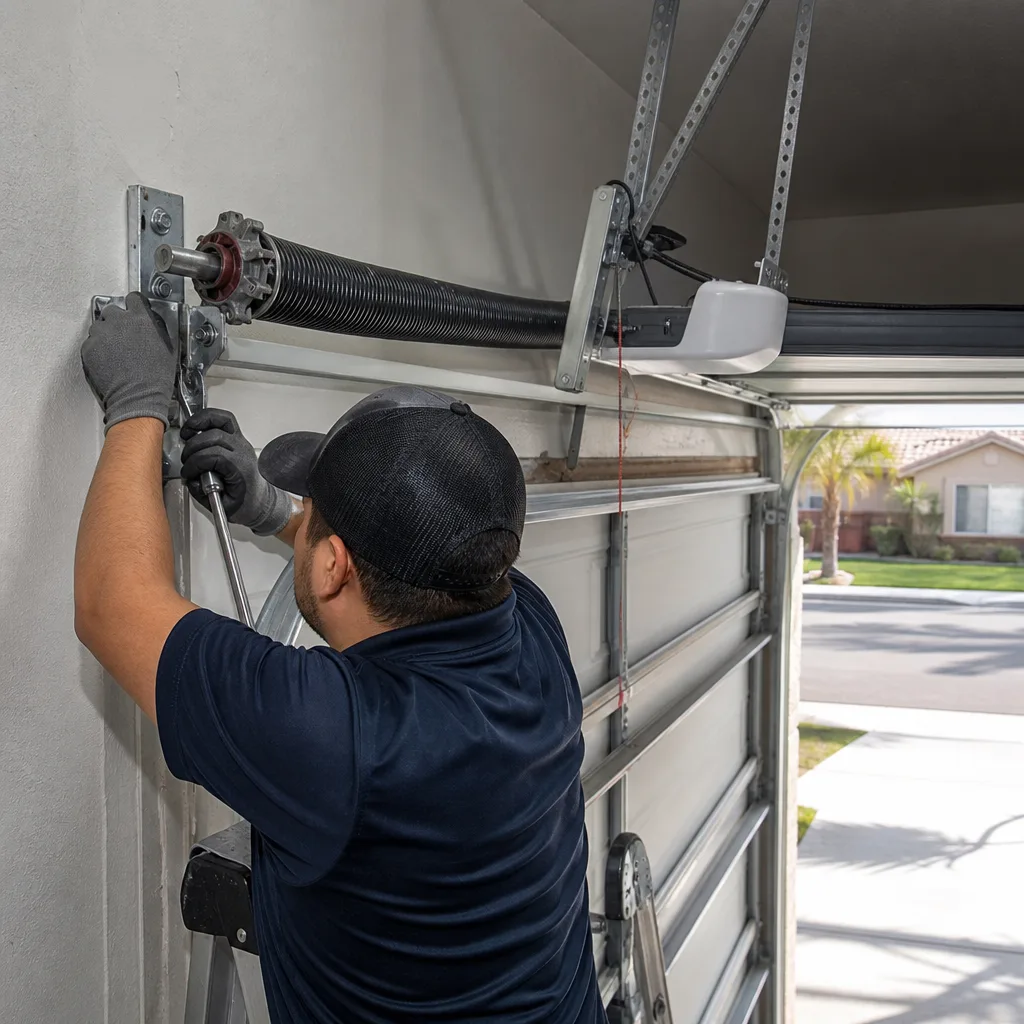
- Spring tension test. Disconnect the opener and lift the door manually to waist height. It should stay there, neither rising nor falling. If it drifts, the springs are relaxing. This is not a DIY adjustment; torsion springs store lethal energy. But recognizing the symptom lets you call before catastrophic failure.
- Opener thermal history. If your opener has failed intermittently on hot afternoons, the board is likely compromised. We can test capacitor function and recommend replacement before complete failure strands your vehicle.
- Lubricant condition. Standard lithium grease thins in heat and migrates off roller bearings. We use high-temperature synthetic lubricants for Anaheim installations that maintain viscosity to 350°F.
- Panel expansion clearances. Steel and aluminum expand in heat. A door that rubs the frame in August was probably installed with inadequate side clearance. The rubbing accelerates paint failure and creates metal dust that contaminates rollers.
We complete most August service calls in a single visit because our trucks carry high-cycle springs rated for the thermal stress we know Anaheim imposes. The garage door opener in Anaheim replacements we do in summer often include relocation of the motor unit to a better-ventilated position, not just board swap.
The 15-Minute Seasonal Walkthrough for Anaheim Homeowners
You do not need to be a technician to catch most problems early. You need a checklist timed to the right season and the discipline to use it. We developed this protocol from the inspection sequence our own technicians follow, stripped to what a homeowner can safely observe.
Pre-Santa Ana Walkthrough (Late September)
- Close the door from outside. Crouch and look for daylight beneath the bottom panel. Any visible gap means seal replacement.
- Run your hand along the vertical weatherstripping on both sides and the header. Lift any section that separates easily. Replace if the adhesive has failed.
- Open and close the door. Listen for new rattling or whistling that indicates air infiltration.
- Visually inspect track mounting brackets. Note any lag screw heads that have backed out from the wall.
- Wipe tracks with a dry cloth and apply silicone lubricant to roller bearings.
Post-Rain Walkthrough (Late January)
- Clean safety sensor lenses with glass cleaner and a soft cloth. Verify the indicator LEDs are steady, not flickering.
- Test auto-reverse with a 2×4 board flat on the threshold. The door must reverse on contact.
- Inspect hinges, rollers, and track surfaces for rust or pitting. Surface discoloration is normal; flaking or pitting is not.
- Operate the emergency release handle. It should pull smoothly and re-engage without forcing.
- Check the header wall beneath the spring anchor bracket for rust stains or moisture marks.
Peak Heat Walkthrough (Late July)
- Disconnect opener and test door balance. The door should stay at waist height when released.
- Listen to the opener during operation. Straining, slowing, or humming without movement indicates spring or board stress.
- Touch-test the opener motor housing after a full open-close cycle. Uncomfortably hot to touch suggests inadequate ventilation.
- Inspect lubricant on rollers and hinges. If it has migrated or thinned to a film, reapply high-temperature synthetic.
- Check for panel-to-frame contact marks on the door edges. Heat expansion should not cause binding.
Document what you find. A simple phone note with the date and any observations creates a maintenance history that speeds diagnosis when you do call a professional. We ask for this history on every service call, and homeowners who have it get faster, more accurate repairs.
How Brand and Material Choices Hold Up in Anaheim Conditions
Not all garage door components are engineered for what Anaheim asks of them. National marketing emphasizes wind load ratings for hurricane zones or R-values for cold climates. The relevant specifications here are different: UV stability, high-temperature lubricant compatibility, and corrosion resistance in salt-air exposure.
We are factory-familiar with all major brands and have observed their performance across Anaheim’s three stress periods. Some patterns are consistent enough to guide selection.
Clopay steel doors with their Intellicore insulation perform well thermally, but the exterior paint system matters significantly. Their standard paint warranties assume moderate sun exposure. On west-facing Anaheim garages, we see earlier chalking and fade than the warranty period suggests. Their Canyon Ridge and Reserve Wood lines, with composite overlays, handle UV better but require more attention to seal integrity at panel joints.
Amarr steel doors use a different coating chemistry that we’ve found more UV-stable in Anaheim conditions. Their Stratford and Lincoln collections maintain appearance longer on high-exposure installations. The tradeoff is slightly higher thermal expansion, which makes proper clearance during installation more critical.
Wayne Dalton fiberglass and vinyl doors are often specified for coastal California, but in Anaheim’s heat, we’ve seen vinyl face panels soften enough to warp on dark colors. Their fiberglass models avoid this but transmit more heat to the garage interior than steel with insulation.
Genie openers use circuit boards with 125°F nominal operating limits. In unventilated Anaheim garages, we see more thermal failures on Genie chain-drive units mounted in high positions than on their wall-mounted or jackshaft configurations. Their screw-drive models, once common, are increasingly rare because the screw mechanism is sensitive to lubricant breakdown in heat.
For Anaheim specifically, we typically recommend:
- Steel doors with polyurethane insulation and light or reflective exterior colors
- High-cycle torsion springs (25,000+ cycle rating) as standard, not upgrade
- Belt-drive or direct-drive openers with thermal protection, mounted away from the garage ceiling peak if possible
- Nylon rollers with sealed bearings, not steel rollers that require more frequent lubrication
- Bottom seals with multiple contact ribs, not flat profiles, for Santa Ana wind resilience
The garage door installation in Anaheim work we do includes ventilation assessment as standard. A door and opener selected for thermal performance but installed in an oven will still fail prematurely. We measure peak garage temperatures during our estimate visit and note the result on every quote.
Common Mistakes to Avoid
- Using WD-40 as a garage door lubricant. WD-40 is a solvent and water displacer, not a lubricant. It cleans, then evaporates, leaving metal unprotected. In Anaheim’s dust, it creates a sticky film that attracts abrasive grit. Use silicone-based or synthetic lubricants formulated for door hardware.
- Ignoring the manual release cord. Many Anaheim homeowners have never pulled their opener’s emergency release. When the power fails or the opener malfunctions, they discover a stiff, corroded mechanism. Test it quarterly. It should move freely and re-engage with a firm pull.
- Pressure-washing the door and opener. The convenience of a quick clean damages electronics. We’ve replaced opener logic boards after homeowners directed spray at the motor unit to remove dust. Wipe surfaces with a damp cloth instead.
- Assuming a quiet door is a healthy door. Heat-fatigued springs often fail with little warning sound. The door operates normally until it doesn’t. Balance testing, not noise level, is the relevant diagnostic.
- Waiting for complete failure before calling. A spring that has lost tension strains the opener. An opener that strains degrades its gears. The cascading repair costs more than addressing the first symptom. In our experience, Anaheim homeowners who call at the first sign of imbalance save 40% or more versus those who wait for the door to stop moving entirely.
- Buying off-the-shelf springs online. Torsion springs are specified by wire gauge, inner diameter, and length to the quarter-inch. A spring that looks similar will not perform correctly and can be dangerous to install. We match springs to the specific door weight and track radius on every job.
- Neglecting the garage side seal on attached garages. The door between garage and living space is part of the thermal system. A poorly sealed garage door pressurizes the garage in Santa Ana winds, forcing conditioned air out through any gap in the house door. Energy costs rise. The fix is at the garage door, not the house door.
When to Call a Professional
Some maintenance is within a homeowner’s scope. Some is not, for safety and technical reasons. Call a qualified technician when you observe any of the following: a door that will not stay open at waist height when the opener is disconnected; a spring with visible gaps between coils when the door is closed; an opener that hums but does not move the door; a cable that has come off the drum or shows fraying; or any door section that has separated from its hinges or shows structural damage.
These conditions involve stored energy, precise adjustment, or structural repair that requires training and proper tools. Torsion springs in particular carry enough force to cause serious injury or death if handled incorrectly. We do not recommend DIY spring adjustment or replacement under any circumstances.
Mainspring Garage Door Co. offers free estimates in Anaheim. A technician will assess your door’s condition, explain what we find, and provide a flat price before any work begins. Call (714) 782-0297 to schedule. Our phones are answered by a live person, 24 hours a day.
Frequently Asked Questions
We recommend a professional inspection and tune-up once yearly, timed to late September before Santa Ana season. For doors older than 15 years or those with high daily use, consider twice-yearly service. Our $89 Seasonal Tune-Up includes balance testing, safety system verification, hardware inspection, and lubrication with high-temperature synthetic products rated for Anaheim conditions. Call (714) 782-0297 to schedule.
Homeowners can safely lubricate roller bearings and hinge pivots with a silicone-based spray. Do not lubricate the track surface, the spring itself, or the opener chain or belt. Those require specific products and techniques. Over-lubrication attracts dust and can degrade safety sensor function. If you are uncertain which components need attention, our technician will demonstrate the correct points during any service visit.
Intermittent afternoon failure in Anaheim almost always indicates thermal stress on the opener circuit board. The board operates normally at lower temperatures, then exceeds its thermal limit as garage temperature rises. This pattern worsens over time until the board fails completely. Ventilation improvement and eventual board replacement are the solutions. We test thermal performance during our diagnostic visits and can recommend ventilation upgrades or opener relocation before catastrophic failure.
A standard 10,000-cycle spring in moderate use lasts 7-10 years in typical climates. In Anaheim’s peak heat conditions, with garages regularly exceeding 130°F, we see effective life reduced to 5-7 years for standard springs. High-cycle springs rated for 25,000 or 30,000 cycles typically achieve 12-15 years even with thermal stress. We install high-cycle springs as standard on all Mainspring replacements because the incremental cost is modest compared to the extended service life.
Yes. Santa Ana winds blow from the northeast, so the northeast-facing side of the door and its weatherstripping takes the primary load. The windward track brackets and header seal show stress before the leeward side. In Anaheim neighborhoods with canyon exposure, like parts of Anaheim Hills, localized acceleration can increase effective wind speed by 20% or more. We inspect windward-side components more closely on homes in these areas.
No. Mainspring states the flat price before any work begins. If our inspection reveals additional issues, we explain them and provide a revised quote for your approval. You will never receive an invoice larger than the agreed price. This is part of our 90-Day Done Right Promise, stated in writing on every job. Call (714) 782-0297 for a free estimate with no obligation.
The Bottom Line
Anaheim’s garage doors face three distinct stress periods, not the four seasons of national maintenance guides. Santa Ana winds test seals and hardware fastening. Peak summer heat degrades springs and opener electronics. Marine winter moisture corrodes metal and fogs safety systems. A 15-minute inspection timed to each period catches most problems before they become emergency calls. Find more guides & resources on our blog.
The homeowners we serve longest are those who treat garage door maintenance as seasonal calendar items, not reactions to failure. The cost of prevention is modest. The cost of a spring failure at 5 p.m. on a Friday, with a vehicle trapped inside, is not just financial.
We have served Anaheim since 1984. Our trucks carry the parts to complete most jobs in a single visit. Our price is stated upfront. Our work is backed by the 90-Day Done Right Promise in writing. If you would like a professional assessment of your door’s condition before the next stress period arrives, call (714) 782-0297. A live person will answer, any hour of any day.
Written by Carl Dutton, Owner at Mainspring Garage Door Co., serving Anaheim since 2016.